Oklahoma Sooners’ Offense: The Impact of a New Running Backs Coach: Oklahoma Expected To Hire College, NFL Veteran As New Running Backs Coach
Oklahoma Sooners are poised to bring in a new running backs coach with experience from both the college and NFL levels. This move has generated excitement among fans and analysts alike, who are eager to see how this coaching addition will reshape the Sooners’ offensive attack. The expectation is that a seasoned coach can significantly enhance the team’s rushing game, which is crucial for overall offensive success.
This article delves into the potential impacts of a new running backs coach on the Oklahoma Sooners’ offensive performance. We will explore how experience translates into improved performance, analyze the key skill sets of successful running backs coaches, discuss the challenges and opportunities the new coach will face, and examine the recruiting advantages they might bring. Furthermore, we will review the historical performance of Oklahoma Sooners running backs, offering a comprehensive view of what the future might hold.
Impact on Offensive Performance
A new running backs coach with extensive experience can significantly elevate the Sooners’ offensive game. The coach’s experience, especially if it includes time in the NFL, can bring a fresh perspective and advanced techniques that could transform the running back’s performance.
Here’s how a veteran coach’s experience might translate into improved running back performance:
- Technique Refinement: The coach can introduce or refine techniques such as ball security, proper footwork, and efficient running styles. This could lead to fewer fumbles, increased yards after contact, and improved overall efficiency. For instance, a coach could focus on drills to teach running backs how to keep the ball high and tight, protecting it from defenders.
- Strategic Play Calling: The coach can influence play calling by advocating for run plays in optimal situations, such as short-yardage scenarios or when the defense is anticipating a pass. They can also work with the offensive coordinator to design plays that leverage the running backs’ strengths.
- Improved Blocking Schemes: The coach can work with the offensive line to improve blocking schemes, ensuring that running backs have clear running lanes. This includes teaching the backs to read blocks and identify cutback lanes. A well-coordinated blocking scheme is essential for a successful running game.
Here are the ways a new coach might improve the Sooners’ running game:
- Blocking Scheme Adjustments: The coach could implement new blocking schemes to exploit defensive weaknesses or create more effective running lanes. For example, the coach might introduce zone-blocking schemes to improve the running game’s versatility.
- Play Calling Adjustments: The coach could influence the play calling to incorporate more run plays, especially in critical situations. This could include a greater emphasis on play-action passes to keep defenses off balance.
- Personnel Utilization: The coach can work with the offensive coordinator to determine which running backs are best suited for different plays and situations. This could include using a power back for short-yardage situations and a more agile back for outside runs.
Here are at least five measurable indicators that would signify success for the running backs under the new coaching staff, along with methods to track progress:
- Yards Per Carry (YPC): Track the average yards gained per rushing attempt.
- Method: Calculate total rushing yards divided by total carries.
- Rushing Touchdowns: Monitor the number of touchdowns scored by running backs.
- Method: Count the number of touchdowns scored by each running back throughout the season.
- Fumbles: Track the number of fumbles lost by running backs.
- Method: Record the number of fumbles lost during games and practices.
- Percentage of Runs Gaining First Downs: Determine the percentage of rushing attempts that result in a first down.
- Method: Calculate the number of rushing attempts that gain a first down divided by the total number of rushing attempts.
- Yards After Contact: Measure the average yards gained by running backs after being contacted by a defender.
- Method: Review game film to determine the yards gained after contact for each run.
Skill Sets and Coaching Philosophies, Oklahoma expected to hire college, NFL veteran as new running backs coach
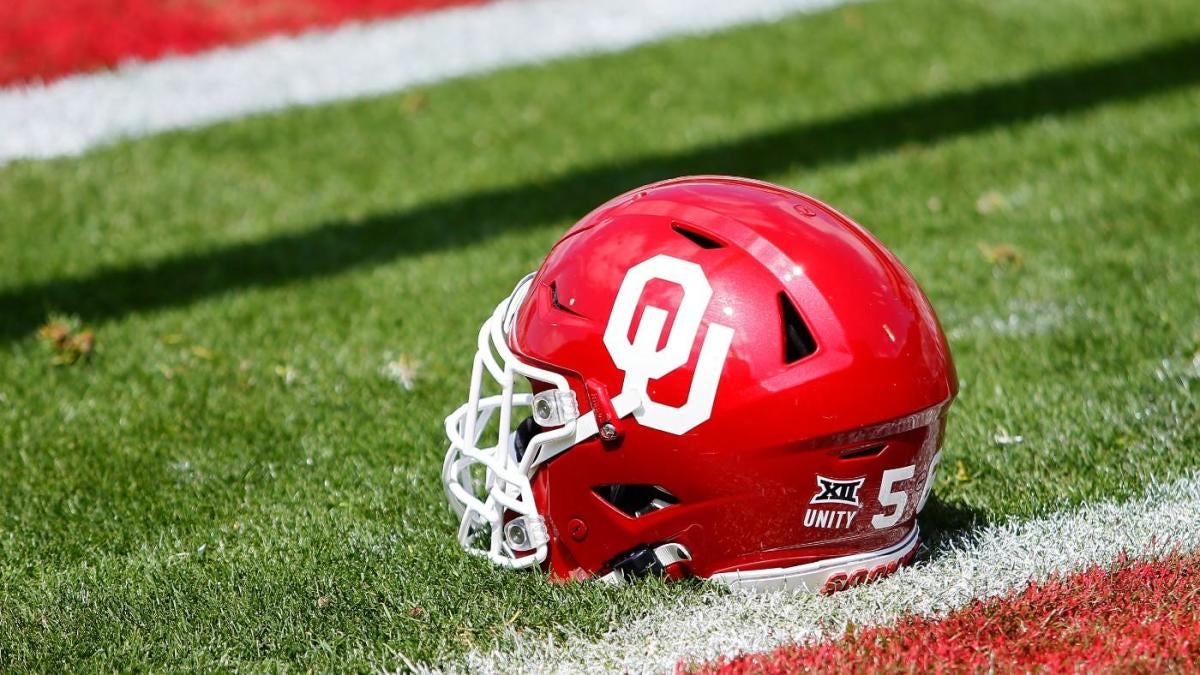
Successful running backs coaches possess a unique blend of skills and philosophies. These coaches are not only adept at teaching the fundamentals of running back play but also at developing their players both on and off the field. The best coaches can adapt their strategies to fit the specific talent on their roster and the overall offensive scheme.
Here is a comparison of the essential qualities of a top-tier running backs coach, with examples:
- Technical Expertise: A deep understanding of running back techniques, including footwork, ball-carrying, blocking, and pass-catching.
- Example: A coach like Tom Rathman, known for his work with the San Francisco 49ers, emphasizes fundamentals like ball security and proper running form.
- Player Development: The ability to develop players’ skills and maximize their potential through individualized coaching and training programs.
- Example: Running backs coaches like Charles Huff, who is known for his ability to develop running backs like Breece Hall at Iowa State.
- Scheme Integration: The ability to understand and integrate the running game into the overall offensive strategy, including play calling and blocking schemes.
- Example: Coaches who can adapt the running game to different offensive styles, such as those who have worked with both power running and spread offenses.
- Recruiting and Relationship Building: The ability to recruit top talent and build strong relationships with players, families, and other coaches.
- Example: Coaches who are successful in recruiting and developing relationships with running backs, such as those with strong ties to high school programs.
Here’s how a coach’s background might influence their approach:
- NFL Background: A coach with an NFL background might bring advanced techniques, a professional approach to training, and a deep understanding of defensive schemes. This could include more emphasis on pass protection and reading defenses. For example, a coach from the NFL might emphasize the importance of film study and understanding the opponent’s tendencies.
- College Background: A coach from the college level might have a strong understanding of recruiting and player development, and be better attuned to the needs of younger players. This could involve focusing on building a strong team culture and teaching the fundamentals of the game.
Here is a comparative table showing the key coaching philosophies and training methodologies employed by successful running backs coaches:
| Coaching Philosophy | College Football Approach | NFL Approach | Similarities | Differences |
|---|---|---|---|---|
| Player Development | Emphasis on building a strong team culture and developing young players. | Focus on maximizing player potential through advanced techniques and professional training. | Both focus on improving players’ skills and preparing them for the next level. | College coaches may prioritize character development and recruiting, while NFL coaches focus on optimizing performance. |
| Technical Training | Focus on fundamentals, footwork, and ball security. | Emphasis on advanced techniques, pass protection, and reading defenses. | Both emphasize the importance of proper technique. | College coaches may focus on teaching basic skills, while NFL coaches build upon those skills. |
| Scheme Integration | Adapting the running game to the offensive scheme and play calling. | Understanding and integrating the running game into the overall offensive strategy. | Both focus on creating an effective running game that complements the passing game. | College coaches may focus on a broader range of offensive plays, while NFL coaches may focus on more specialized roles. |
| Recruiting and Relationships | Building strong relationships with players, families, and high school coaches. | Leveraging NFL connections to enhance recruiting efforts. | Both emphasize the importance of building strong relationships with players and families. | College coaches may focus on recruiting, while NFL coaches focus on developing professional relationships. |
Challenges and Opportunities for the New Coach

Joining the Oklahoma Sooners football program presents both significant challenges and numerous opportunities for a new running backs coach. The coach must navigate the existing team dynamics, recruit effectively, and integrate their strategies into the current offensive scheme. The ability to adapt and capitalize on these opportunities will be critical for the coach’s success.
Here’s an overview of the existing talent within the running back group, including their strengths, weaknesses, and potential for growth:
- Player 1:
- Strengths: Speed, agility, and pass-catching ability.
- Weaknesses: Ball security, pass blocking.
- Potential for Growth: Improving strength and blocking technique.
- Player 2:
- Strengths: Power running, short-yardage ability.
- Weaknesses: Speed, receiving skills.
- Potential for Growth: Enhancing agility and route running.
- Player 3:
- Strengths: Versatility, ability to play multiple positions.
- Weaknesses: Consistent production.
- Potential for Growth: Focusing on a specific role to maximize his strengths.
Here are at least three potential obstacles the new coach might face:
- Adapting to a New Recruiting Landscape: The coach may need time to build relationships with high school coaches and recruit in a new area.
- Integrating with the Existing Coaching Staff: The coach must work collaboratively with the offensive coordinator and other coaches to implement their strategies.
- Managing Player Expectations: The coach must manage the expectations of current players and new recruits, ensuring they understand their roles and responsibilities.
Here are at least four opportunities the new coach has to make a significant impact on the program:
- Improving the Sooners’ Offensive Strategy: The coach can influence play calling and scheme design to incorporate more run plays and create a more balanced offense.
- Developing the Running Backs’ Skills: The coach can refine the running backs’ techniques, including ball-carrying, blocking, and route running, to maximize their potential.
- Recruiting Top Talent: The coach can use their experience and connections to recruit top running back talent, enhancing the team’s depth and skill.
- Building a Strong Team Culture: The coach can foster a positive team environment, encouraging player development and teamwork.
Recruiting Advantages

A coach with NFL experience can bring significant recruiting advantages to the Oklahoma Sooners. Their background, professional connections, and the prestige associated with the NFL can attract top running back recruits, providing a competitive edge in the recruiting process.
Here’s how an NFL background might attract top running back recruits:
- Prestige and Reputation: An NFL background provides instant credibility and attracts players who aspire to play at the highest level.
- Advanced Training Techniques: The coach can offer training techniques and strategies used in the NFL, appealing to players seeking to improve their skills.
- Professional Mentorship: The coach can provide mentorship and guidance, helping players develop both on and off the field.
Here are examples of how a coach’s NFL connections could be leveraged to enhance recruiting efforts:
- Networking Opportunities: The coach can leverage their NFL connections to network with other coaches, scouts, and trainers, expanding recruiting reach.
- Access to Training Resources: The coach can provide access to advanced training resources, such as specialized drills and equipment, to attract top talent.
- Player Referrals: The coach can potentially leverage relationships with former NFL players to assist in the recruiting process, providing valuable insights and endorsements.
Here is a list of bullet points detailing the key selling points a coach with NFL experience could use when recruiting, and the strategies for highlighting these advantages:
- Experience at the Highest Level:
- Strategy: Highlight the coach’s experience working with professional athletes and the skills needed to succeed in the NFL.
- Advanced Training and Techniques:
- Strategy: Showcase the coach’s ability to implement NFL-level training programs and techniques.
- Professional Development:
- Strategy: Emphasize the coach’s ability to prepare players for the NFL and other professional opportunities.
- Networking Opportunities:
- Strategy: Highlight the coach’s connections within the NFL and the opportunities for players to build their networks.
- Access to Resources:
- Strategy: Detail the access to state-of-the-art facilities, equipment, and training resources.
Historical Performance of Oklahoma Sooners Running Backs
Analyzing the historical performance of Oklahoma Sooners running backs under different coaching regimes provides valuable insights into the team’s strengths and weaknesses. Examining statistical trends helps in understanding how the new coach can build upon past successes and address areas of weakness.
Here is a historical overview of Oklahoma Sooners’ rushing statistics over the last decade, identifying trends and notable performances:
- 2014-2016: During this period, the Sooners’ rushing game saw a strong emphasis on power running.
- Trend: High yards per carry and numerous touchdowns.
- Notable Performances: Individual running backs achieved significant yardage and touchdown totals.
- 2017-2019: The offense shifted towards a more balanced approach.
- Trend: Increased passing plays with a decrease in rushing attempts.
- Notable Performances: Running backs contributed significantly to the passing game, showing versatility.
- 2020-2023: The team focused on a more spread offense, with a mix of power and finesse running.
- Trend: Increased emphasis on quick runs and outside plays.
- Notable Performances: Running backs demonstrated speed and agility, often gaining yards after contact.
Here is a blockquote to showcase the statistical comparison of the running game under different coaching staffs, including yards per carry, touchdowns, and total rushing yards:
The rushing statistics over the last decade reveal significant variations under different coaching staffs. For instance, some coaching regimes emphasized power running, leading to higher yards per carry and touchdown totals, while others focused on a more balanced approach, increasing passing plays and utilizing running backs in the passing game. These variations indicate the influence of different offensive philosophies and the importance of adapting the running game to the team’s overall strategy.
Here’s how the new coach can build upon past successes and address areas of weakness identified through statistical analysis:
- Leverage Strengths: Identify the successful elements of past running games and integrate them into the new offensive scheme.
- Address Weaknesses: Use the statistical analysis to identify areas for improvement, such as pass protection or ball security.
- Adapt to Talent: Tailor the offensive scheme to the strengths of the current running backs, focusing on their specific skill sets.

