Can Bitcoin transactions be traced by authorities effectively?

Can Bitcoin transactions be traced by authorities effectively? – The rise of Bitcoin has introduced a new paradigm in finance, promising a decentralized and pseudonymous system. However, this very feature presents a challenge to law enforcement agencies seeking to combat illicit activities. The question of whether authorities can effectively trace Bitcoin transactions is complex, involving technological intricacies, legal frameworks, and the constant evolution of both tracing techniques and privacy-enhancing technologies. This article delves into the various aspects of Bitcoin’s traceability, exploring the tools, techniques, and challenges faced by authorities in their efforts to monitor and regulate this digital currency.
Before diving into the specifics of tracing, it’s crucial to understand the foundational principles of Bitcoin and its underlying blockchain technology.
Understanding the Basic Principles of Bitcoin and its Blockchain Technology is essential before discussing its traceability, Can Bitcoin transactions be traced by authorities effectively?

Bitcoin operates on the principle of decentralization, meaning it’s not controlled by a single entity like a bank or government. Instead, it’s a peer-to-peer network where transactions are recorded on a public, distributed ledger called the blockchain. This decentralization offers users greater autonomy but also presents challenges to authorities seeking to regulate or monitor transactions.
At the heart of Bitcoin lies cryptography. Transactions are secured using cryptographic principles like public-key cryptography, where users have a public key (their address) and a private key (used to sign transactions). This ensures that only the rightful owner of a private key can spend their Bitcoin. The blockchain itself is a chain of blocks, each containing a batch of transactions. Each block is cryptographically linked to the previous one, creating an immutable record of all transactions. This structure makes it difficult to alter past transactions, as any change would require modifying all subsequent blocks, a computationally intensive task.
Transactions on the blockchain are recorded and verified through a process involving miners. Miners are specialized computers that solve complex mathematical problems to validate transactions and add new blocks to the blockchain. This process, known as “mining,” consumes significant computational power, and miners are rewarded with newly created Bitcoin and transaction fees. The consensus mechanism, primarily “Proof-of-Work” in Bitcoin’s case, ensures that all participants agree on the validity of the blockchain. This prevents double-spending and maintains the integrity of the network.
A typical Bitcoin transaction involves several core elements:
- Sender’s Address: The public key (or address) of the Bitcoin sender.
- Receiver’s Address: The public key (or address) of the Bitcoin receiver.
- Amount Transferred: The quantity of Bitcoin being sent.
- Transaction Fees: A small fee paid to miners to incentivize them to include the transaction in a block.
These elements, along with other data, are recorded on the blockchain, creating a transparent and auditable record of all transactions.
Unveiling the Mechanisms Authorities Use to Trace Bitcoin Transactions Effectively
Authorities employ a range of techniques to trace Bitcoin transactions, aiming to identify individuals involved in illicit activities. One of the primary methods is address clustering, where investigators analyze transaction patterns to link multiple addresses to a single entity. This involves identifying addresses that frequently interact with each other, receive funds from the same source, or send funds to the same destination. Chain analysis tools are crucial in this process, helping to visualize transaction flows and identify suspicious patterns.
Blockchain explorers, which are publicly available tools that allow users to view transaction data, also play a vital role. Authorities use these explorers to track the movement of Bitcoin, identify addresses involved in specific transactions, and gather information about transaction history. By analyzing the data provided by blockchain explorers, investigators can gain valuable insights into the flow of funds and potentially identify individuals or entities involved in illegal activities.
Identifying individuals linked to Bitcoin addresses involves a combination of on-chain and off-chain data analysis. On-chain data refers to the information available on the blockchain itself, such as transaction history and address interactions. Off-chain data includes information from sources like KYC/AML (Know Your Customer/Anti-Money Laundering) regulations, which require exchanges and other financial institutions to collect identifying information from their users. Authorities can also leverage information from social media, dark web forums, and other online sources to gather additional clues about the individuals behind specific Bitcoin addresses.
Here’s a table comparing and contrasting the different methods authorities use to trace Bitcoin transactions:
| Method | Effectiveness | Limitations | Examples |
|---|---|---|---|
| Address Clustering | High, when addresses are linked to a single entity. | Can be circumvented by using multiple addresses or mixing services. | Identifying addresses that frequently transact with each other. |
| Chain Analysis | Moderate, depends on the complexity of the transaction and the use of privacy tools. | Time-consuming and requires specialized expertise. | Visualizing transaction flows to identify suspicious patterns. |
| KYC/AML Regulations | High, when exchanges comply and share information. | Only effective when transactions pass through regulated entities. | Requesting user data from cryptocurrency exchanges. |
Exploring the Role of Cryptocurrency Exchanges in Facilitating Transaction Tracking by Governing Bodies
Cryptocurrency exchanges play a pivotal role in facilitating transaction tracking by governing bodies. These platforms act as intermediaries, connecting buyers and sellers of cryptocurrencies, and are often the first point of contact for authorities seeking to investigate suspicious activity. Due to their position in the financial ecosystem, exchanges are subject to KYC/AML compliance procedures, which are crucial for identifying and verifying the identities of their users.
KYC/AML procedures require exchanges to collect detailed information from users, including names, addresses, identification documents, and proof of funds. This information is stored and can be accessed by authorities upon request, providing a crucial link between Bitcoin addresses and real-world identities. The data collected by exchanges is essential for tracing transactions, as it allows authorities to connect specific Bitcoin addresses to individuals or entities who have used the exchange to buy, sell, or trade cryptocurrencies.
Authorities can request information from exchanges through various legal channels, including subpoenas, court orders, and mutual legal assistance treaties (MLATs). The specific requirements for these requests vary depending on the jurisdiction, but they typically require authorities to provide evidence of wrongdoing and demonstrate a legitimate need for the information. Exchanges are generally obligated to comply with these requests, providing transaction records, user account information, and any other relevant data that can aid in the investigation.
Hypothetical Scenario: An authority suspects a user of a cryptocurrency exchange is involved in money laundering. They issue a subpoena to the exchange, requesting transaction records, user identification documents, and account activity. The exchange, after verifying the validity of the subpoena, complies by providing the requested data. However, the user may have used a mixing service to obfuscate their transactions, making it difficult to trace the funds beyond the exchange. The challenges here include the time-consuming process of legal requests, potential delays in information sharing, and the complexity of analyzing transactions that have passed through multiple intermediaries or privacy-enhancing tools.
Examining the Challenges and Limitations Faced by Authorities in Tracing Bitcoin Transactions
Despite advancements in tracing techniques, authorities face significant challenges when attempting to track Bitcoin transactions. One of the most significant obstacles is the use of privacy-enhancing technologies (PETs). Tools like CoinJoin, which mixes transactions from multiple users to obscure the trail, make it difficult to determine the origin and destination of funds. Mixing services, which operate by pooling and redistributing Bitcoin, further complicate tracing efforts by breaking the direct link between senders and receivers.
Technical limitations also pose challenges. While blockchain analysis tools can identify patterns and link addresses, they often struggle to definitively connect transactions to real-world identities. This is particularly true when users employ multiple addresses, use mixers, or conduct transactions through unregulated platforms. The potential for false positives is also a concern, as seemingly suspicious transactions may be legitimate, requiring investigators to spend significant time and resources to verify the facts.
Mixing services are specifically designed to complicate tracing efforts. These services function by taking Bitcoin from multiple users, mixing them together, and then redistributing the coins to different addresses. This process effectively breaks the link between the original sender and the final receiver, making it difficult for authorities to follow the money trail. While blockchain analysis tools can sometimes identify transactions that have passed through mixing services, they often cannot determine the specific individuals or addresses involved in the mixing process.
Analyzing the Legal and Regulatory Frameworks that Impact the Traceability of Bitcoin Transactions
The legal and regulatory landscape surrounding Bitcoin and its traceability is complex and varies significantly across different jurisdictions. Financial regulations, anti-money laundering (AML) laws, and data privacy regulations all play a role in shaping how authorities can monitor and regulate Bitcoin transactions. These frameworks are constantly evolving, as governments and regulatory bodies strive to balance the need to combat illicit activities with the desire to foster innovation in the cryptocurrency space.
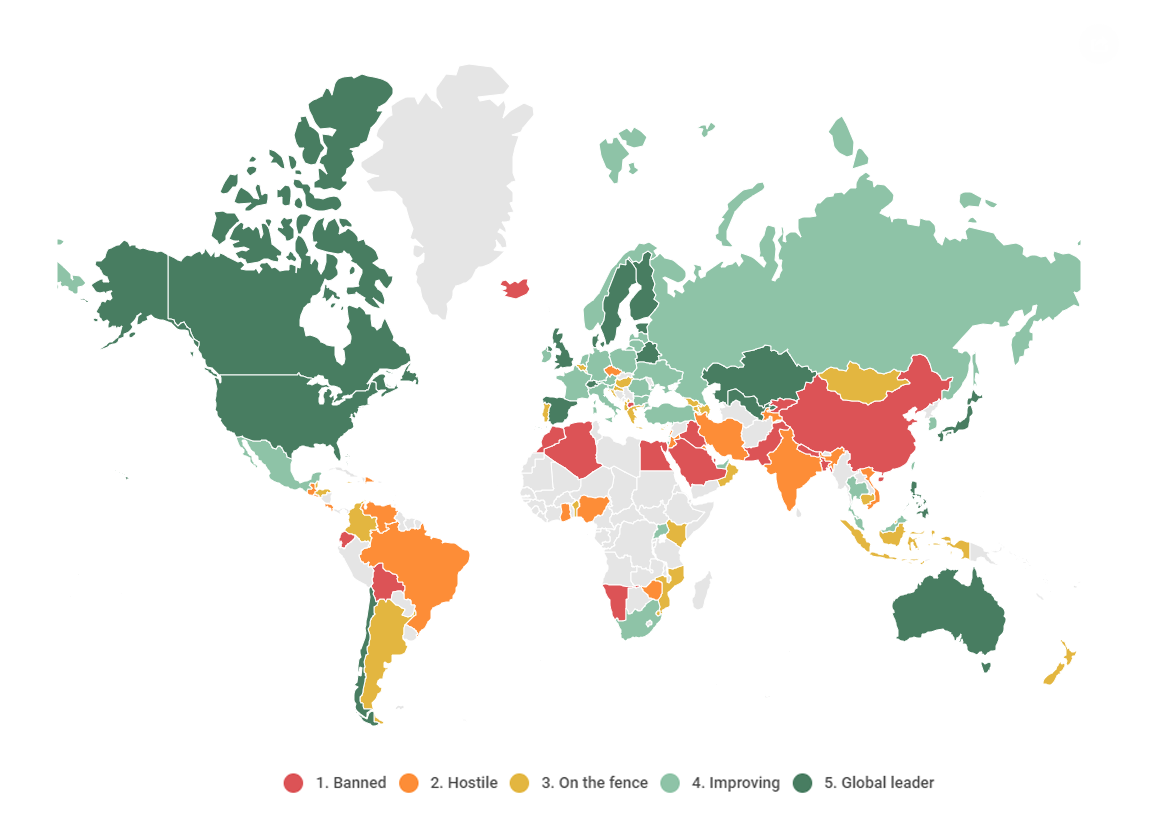
Different jurisdictions have adopted varying approaches to regulating Bitcoin. Some countries have embraced a relatively permissive approach, while others have imposed stricter regulations. For example, some jurisdictions have implemented specific licensing requirements for cryptocurrency exchanges, while others have incorporated cryptocurrencies into existing AML regulations. The enforcement mechanisms also vary, with some countries having dedicated regulatory bodies and others relying on existing financial regulators. These variations in approaches can significantly impact the effectiveness of transaction tracing, as the availability of information and the level of cooperation between authorities can vary.
Authorities may face several legal challenges when tracing Bitcoin transactions. These include:
- Jurisdiction: Determining which country has the authority to investigate transactions that cross borders.
- Evidence Admissibility: Ensuring that evidence obtained from blockchain analysis is admissible in court.
- Privacy Rights: Balancing the need to trace transactions with the protection of individuals’ privacy rights.
- Data Security: Protecting sensitive user data obtained from exchanges from unauthorized access or breaches.
These challenges highlight the need for a comprehensive legal framework that addresses the unique characteristics of Bitcoin and its associated risks.
Investigating the Impact of Privacy-Enhancing Technologies on the Traceability of Bitcoin

Privacy-enhancing technologies (PETs) have a significant impact on the ability of authorities to trace Bitcoin transactions. These technologies are designed to obscure the trail of transactions, making it more difficult for investigators to identify the senders and receivers of funds. By utilizing these tools, users can enhance their privacy and make it harder for authorities to track their activities. The increasing adoption of PETs poses a considerable challenge to law enforcement agencies seeking to combat illicit activities involving Bitcoin.
Several PETs are used to enhance privacy in Bitcoin transactions. Some examples include:
- CoinJoin: A mixing service that combines transactions from multiple users to obscure the link between senders and receivers.
- CoinSwap: A technique that uses atomic swaps to exchange Bitcoin for other cryptocurrencies, further obfuscating the transaction trail.
- Privacy-focused Wallets: Wallets that incorporate features like Tor integration and address rotation to enhance user privacy.
These technologies work by breaking the direct link between senders and receivers, making it difficult for authorities to trace the flow of funds. CoinJoin, for example, combines multiple transactions into a single transaction, making it challenging to determine which inputs belong to which outputs. This process obfuscates the transaction trail and protects the privacy of the users involved.
A CoinJoin transaction involves several steps. First, multiple users agree to participate in a CoinJoin. They each contribute their Bitcoin inputs to a shared transaction. The CoinJoin service then combines these inputs and distributes them to different output addresses. The goal is to make it difficult to determine which inputs belong to which outputs. This process obfuscates the transaction trail, making it challenging for authorities to trace the funds. Without providing image links, imagine several users contributing their coins to a mixing service. The service shuffles the coins and redistributes them to new addresses, making it difficult to trace the origin and destination of the funds.
Assessing the Role of Specialized Blockchain Analysis Tools in Transaction Tracing

Specialized blockchain analysis tools play a critical role in helping authorities trace Bitcoin transactions. These tools are designed to analyze the blockchain data, identify patterns, and link transactions to individuals or entities involved in illicit activities. They provide investigators with a comprehensive view of the transaction history, enabling them to follow the flow of funds and uncover potential connections to criminal activity. The functionalities and capabilities of these tools are constantly evolving, reflecting the ongoing arms race between those seeking to use Bitcoin for illicit purposes and those trying to combat it.
These tools analyze various types of data, including:
- Transaction Metadata: Information about each transaction, such as the sender’s address, the receiver’s address, and the amount transferred.
- Address Clustering: Grouping addresses that are likely controlled by the same entity.
- Network Analysis: Mapping the relationships between different addresses and identifying patterns of interaction.
- Risk Scoring: Assessing the likelihood that a particular address or transaction is associated with illicit activity.
By analyzing this data, these tools can help investigators identify suspicious transactions, link addresses to known entities, and build a case against individuals or organizations involved in illegal activities. The tools also enable authorities to visualize transaction flows, identify potential money laundering schemes, and track the movement of funds across multiple addresses and platforms.
Specialized blockchain analysis tools are used to investigate a wide range of illicit activities involving Bitcoin. These include money laundering, drug trafficking, ransomware attacks, and terrorist financing. In successful cases, these tools have helped investigators identify and prosecute criminals, seize illicit funds, and disrupt criminal networks. However, the effectiveness of these tools is not without limitations. They can be time-consuming, require specialized expertise, and are constantly challenged by the evolving use of privacy-enhancing technologies and the complexities of the Bitcoin ecosystem.