How Bitcoin Regulation Varies Across Different Countries: How Does Bitcoin Regulation Vary Across Different Countries?
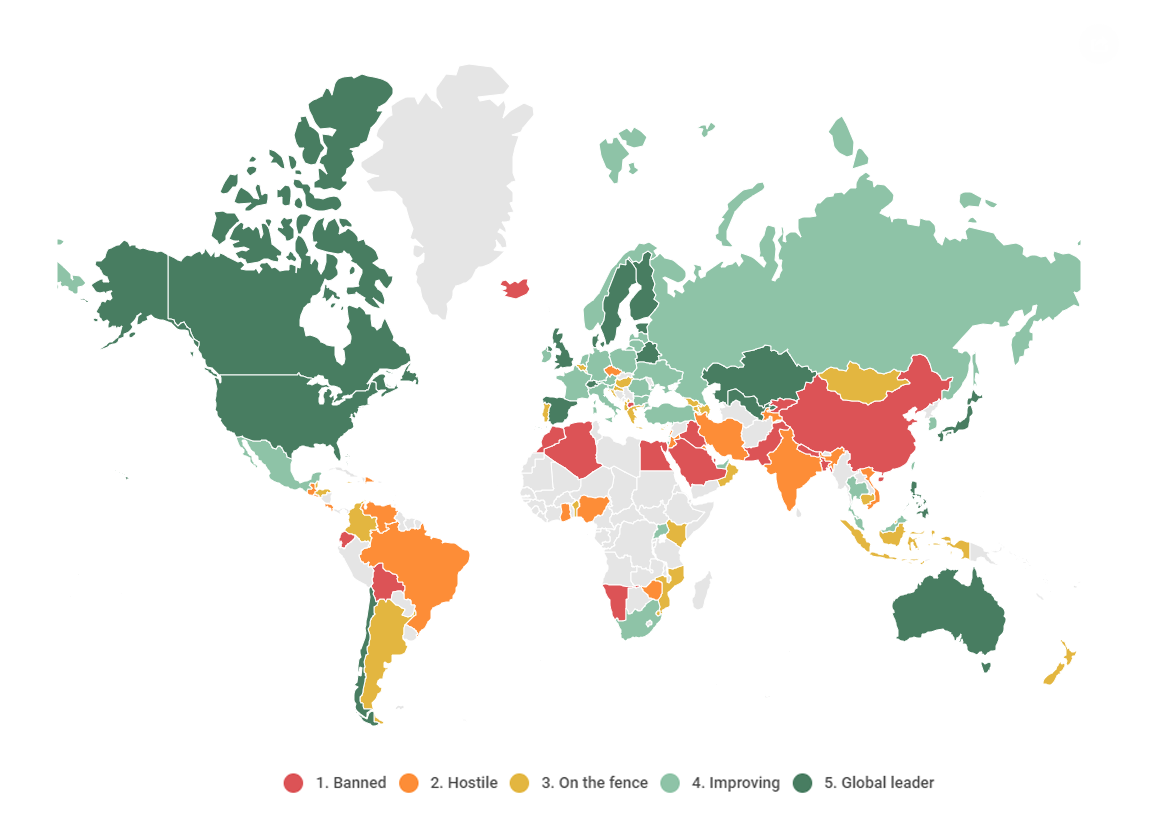
How does Bitcoin regulation vary across different countries? – Bitcoin, the pioneering cryptocurrency, operates in a regulatory landscape as diverse as the nations themselves. This article delves into the intricate web of global Bitcoin regulation, exploring how different countries approach this innovative technology. From the impact of governmental oversight on adoption rates to the challenges and opportunities presented by varying legal classifications and international collaborations, we’ll examine the multifaceted nature of Bitcoin regulation and its implications for users, businesses, and the future of digital currencies.
The regulatory environment surrounding Bitcoin is constantly evolving. Governments worldwide are grappling with how to classify, tax, and oversee this decentralized asset. This has led to a patchwork of regulations, ranging from outright bans to comprehensive frameworks. Understanding these variations is crucial for anyone involved with Bitcoin, whether as an investor, a business owner, or simply a curious observer.
How do varying levels of governmental oversight influence Bitcoin adoption rates around the globe?

The level of governmental oversight significantly impacts Bitcoin adoption rates worldwide. Regulatory clarity fosters trust, encourages investment, and promotes mainstream acceptance. Conversely, uncertainty and restrictive measures can stifle growth, deter participation, and drive activity underground. The correlation between regulatory clarity and public trust is a key driver of Bitcoin’s trajectory in any given country.
Countries with clear and favorable regulations often see higher adoption rates. For instance, in countries like Switzerland, which has embraced a progressive approach to crypto regulation, Bitcoin enjoys a relatively high level of adoption. Switzerland’s regulatory framework provides legal certainty for businesses operating in the crypto space, fostering innovation and attracting investment. This clarity builds trust among investors and the public, leading to increased adoption. Similarly, countries like Portugal, with its tax-friendly policies for crypto gains, have also seen increased adoption, as the regulatory environment supports rather than hinders the use of Bitcoin.
In contrast, countries with ambiguous or restrictive regulations tend to experience lower adoption rates. China, for example, has imposed strict bans on cryptocurrency trading and mining, effectively shutting down much of the Bitcoin activity within its borders. This lack of regulatory clarity and the outright ban have significantly hampered adoption. Similarly, in countries where regulations are constantly changing or are unclear, such as India for a time, uncertainty deters potential investors and businesses, leading to lower adoption. The absence of a clear regulatory framework creates fear and doubt, making it difficult for Bitcoin to gain traction.
Regulatory clarity isn’t the only factor; other elements, such as the economic stability of a country and the level of financial literacy, also play a role. However, the regulatory environment is a foundational element. It can either unlock the potential of Bitcoin or act as a barrier to its use. The following table provides a comparative analysis of the regulatory approaches taken by the United States, Japan, and El Salvador, highlighting the key differences and their impact on Bitcoin usage.
| Country | Regulatory Approach | Impact on Bitcoin Usage | Key Differences |
|---|---|---|---|
| United States | A patchwork of federal and state regulations. Bitcoin is often treated as property by the IRS, with varying rules across states. | Moderate adoption. Regulatory uncertainty and complex compliance requirements can hinder widespread use. | Federal agencies like the SEC and CFTC have jurisdiction, leading to a fragmented regulatory landscape. States have varying approaches to licensing and regulation of crypto businesses. |
| Japan | Bitcoin is recognized as a legal payment method. Exchanges are regulated and must be licensed. | High adoption. Clear regulations and legal recognition have fostered a thriving crypto market. | The Financial Services Agency (FSA) oversees crypto exchanges. Japan was among the first countries to establish clear regulations for crypto assets. |
| El Salvador | Bitcoin is legal tender. The government actively promotes Bitcoin adoption. | High adoption. The government’s support and legal recognition have led to significant usage. | El Salvador’s approach is unique, with Bitcoin being integrated into the national economy. This contrasts sharply with the cautious approach of many other nations. |
The absence of regulation, or the presence of extremely lax regulations, in some regions can create both opportunities and risks for Bitcoin users and businesses. Unregulated environments can foster innovation, allowing new technologies and business models to emerge without the constraints of established rules. This can lead to the rapid development of new products and services, potentially benefiting users. However, the lack of regulation also opens the door to potential risks.
Without proper oversight, the door is open to illicit activities, such as money laundering, fraud, and terrorism financing. Users in unregulated environments may be exposed to higher risks of scams and theft, as there are fewer safeguards in place to protect them. Businesses operating in these areas may face challenges in gaining the trust of their customers and partners, as they lack the credibility that comes with regulatory compliance. Furthermore, the lack of regulation can hinder the long-term sustainability of the Bitcoin ecosystem, as it can discourage institutional investment and limit mainstream adoption. It is a balancing act. The potential for innovation is high, but the dangers of operating outside a regulated framework can be significant. The key is to find a balance that promotes innovation while mitigating the risks.
What are the core differences in how various nations classify Bitcoin for legal and tax purposes?
The legal and tax classifications of Bitcoin vary significantly across different countries, impacting its use and trading. These classifications determine how Bitcoin is treated under the law, influencing everything from taxation to the types of businesses that can operate in the crypto space. Understanding these classifications is crucial for anyone involved with Bitcoin, as they directly affect the legal and financial implications of their activities.
Different countries have adopted various legal classifications for Bitcoin. Some common classifications include:
- Currency: Some countries, like El Salvador, have recognized Bitcoin as legal tender, treating it similarly to traditional currencies. This allows Bitcoin to be used for everyday transactions and integrated into the national economy.
- Commodity: In some jurisdictions, Bitcoin is classified as a commodity, similar to gold or oil. This means it is subject to regulations and trading rules that apply to commodities markets. The United States, for instance, often treats Bitcoin as a commodity, with the Commodity Futures Trading Commission (CFTC) having oversight over Bitcoin derivatives.
- Property: Many countries consider Bitcoin to be property, subject to property laws. This classification means that Bitcoin is treated as an asset that can be owned, transferred, and subject to inheritance. It also means that Bitcoin transactions are often subject to capital gains taxes.
- Security: In some cases, Bitcoin or other crypto assets may be classified as securities. This is particularly relevant if they are offered as part of an investment scheme. Securities are subject to stringent regulations to protect investors, including registration requirements and disclosure obligations.
- Other: Some countries may classify Bitcoin in a unique way or have no specific classification at all. This can lead to uncertainty and confusion, as the legal status of Bitcoin may be unclear.
These classifications have a direct impact on how Bitcoin is used and traded. For example, if Bitcoin is classified as currency, it can be used for everyday transactions without triggering tax implications. If it is classified as property, its use is more restricted and its transactions can trigger capital gains taxes. If it is classified as a security, it is subject to a range of regulations that can limit its use and make it more complex to trade.
The tax implications of Bitcoin transactions vary significantly across jurisdictions. Here are some examples:
- Capital Gains Tax: Many countries impose capital gains taxes on profits from the sale or exchange of Bitcoin. The tax rate can vary depending on the country and the holding period.
- Income Tax: Bitcoin earned as income, such as through mining or staking rewards, is often subject to income tax. The tax rate is typically based on the individual’s income tax bracket.
- VAT (Value Added Tax): Some countries apply VAT to Bitcoin transactions, particularly when goods or services are purchased using Bitcoin. The VAT rate is typically the same as for other goods and services.
- Tax on Mining Rewards: Bitcoin mining rewards are often treated as taxable income, subject to income tax. The value of the rewards is typically determined at the time they are received.
- Gift and Inheritance Tax: Bitcoin may be subject to gift and inheritance taxes, depending on the country’s laws. This means that transferring Bitcoin as a gift or through inheritance may trigger tax obligations.
These tax implications can significantly impact the profitability of Bitcoin investments and transactions. Understanding these tax rules is essential for complying with tax laws and avoiding penalties.
These varying classifications have significant implications for Bitcoin businesses, including exchanges, miners, and payment processors. Exchanges, for example, must comply with a range of regulations depending on how Bitcoin is classified in the countries where they operate. If Bitcoin is classified as a security, exchanges may need to register with regulatory bodies and comply with strict disclosure requirements. Miners may face tax obligations on their mining rewards, while payment processors must comply with anti-money laundering (AML) and know-your-customer (KYC) regulations to prevent illicit activities. Navigating these regulatory landscapes requires careful planning and compliance. Bitcoin businesses must adapt their operations to meet the requirements of each jurisdiction, which can be costly and complex. This includes obtaining licenses, implementing security measures, and maintaining accurate records of transactions. Failure to comply with regulations can result in penalties, legal challenges, and damage to reputation. As regulations evolve, Bitcoin businesses must remain vigilant and adapt their strategies to ensure they are compliant.
In what ways do international collaborations and agreements affect the regulatory landscape of Bitcoin?, How does Bitcoin regulation vary across different countries?
International collaborations and agreements play a crucial role in shaping the regulatory landscape of Bitcoin. Global bodies like the Financial Action Task Force (FATF) set standards and guidelines that influence national regulations, promoting consistency and cooperation in the fight against money laundering and terrorism financing. This international framework helps to harmonize approaches and address the cross-border nature of Bitcoin transactions.
The Financial Action Task Force (FATF) is a global money laundering and terrorist financing watchdog. It sets international standards to combat these activities. The FATF’s recommendations have a significant impact on national Bitcoin regulations. Its guidelines provide a framework for countries to regulate virtual asset service providers (VASPs), which include crypto exchanges and other businesses that deal with digital assets. These recommendations cover a range of areas, including:
- AML and KYC: VASPs should implement AML and KYC procedures to identify and verify the identities of their customers and to report suspicious transactions. This is a core requirement to prevent the use of Bitcoin for illicit purposes.
- Travel Rule: VASPs must share information about the originator and beneficiary of virtual asset transfers. This is similar to the “travel rule” for traditional financial institutions, ensuring that authorities can trace the flow of funds.
- Licensing and Registration: VASPs should be licensed or registered to operate in a jurisdiction. This allows regulators to oversee their activities and ensure they comply with AML and KYC requirements.
- Risk-Based Approach: VASPs should take a risk-based approach to AML and KYC, focusing their efforts on high-risk transactions and customers.
These recommendations are not legally binding, but they carry significant weight. Countries that fail to comply with FATF standards may face financial sanctions and reputational damage. As a result, many countries have adopted FATF’s recommendations into their national laws. This has led to a more harmonized approach to Bitcoin regulation, making it easier for businesses to operate across borders. For example, countries like the United States and the United Kingdom have implemented regulations based on FATF recommendations, requiring crypto exchanges to comply with AML and KYC requirements. These regulations have increased the cost of compliance for businesses but have also helped to improve the legitimacy and security of the Bitcoin ecosystem.
The regulatory approaches of two countries, one a member of the G7 and another a developing nation, demonstrate the influence of international standards on their policies.
| Country | Membership | Regulatory Approach | Influence of International Standards |
|---|---|---|---|
| Canada | G7 | A comprehensive regulatory framework that requires crypto businesses to register with regulators and comply with AML/KYC rules. | Strong influence from FATF recommendations. Canada has implemented strict AML and KYC requirements, aligning with international standards. |
| Nigeria | Developing Nation | A more evolving approach. Regulations are still developing, but the country is actively working on a regulatory framework for crypto assets. | Nigeria is also influenced by FATF recommendations, although the implementation is at a slower pace. The country is working to align its regulations with international standards. |
The global nature of Bitcoin presents both challenges and opportunities for regulation. The decentralized and cross-border nature of Bitcoin transactions makes it difficult for any single country to effectively regulate the cryptocurrency. Transactions can originate in one country, be processed in another, and be received in a third, making it challenging to enforce regulations. This global nature requires international cooperation to address issues like money laundering, terrorism financing, and tax evasion. Cross-border data sharing is a key component of this cooperation. Law enforcement agencies and regulators need to be able to share information about transactions and users to effectively monitor and enforce regulations. However, cross-border data sharing raises concerns about privacy and data security. Regulators must balance the need for data sharing with the need to protect the privacy of individuals and businesses. Despite the challenges, the global nature of Bitcoin also presents opportunities. It can facilitate international trade and investment, and it can provide access to financial services for people in countries with limited access to traditional banking. International cooperation is essential to harness these opportunities while mitigating the risks.
What are the common challenges and obstacles encountered by Bitcoin users and businesses due to varying regulations?
Bitcoin users and businesses face a variety of challenges and obstacles due to the varying regulations around the world. These challenges can range from difficulties in moving Bitcoin across borders to the complexities and costs of complying with a multitude of regulatory requirements. These hurdles can impact innovation, investment, and the overall growth of the Bitcoin ecosystem.
Bitcoin users often face difficulties when trying to move Bitcoin across borders. These challenges include:
- KYC/AML Requirements: Users may be required to provide detailed personal information and documentation to exchanges and other service providers to comply with KYC/AML regulations. This can be time-consuming and may raise privacy concerns.
- Transaction Reporting Obligations: Users may be required to report their Bitcoin transactions to tax authorities, especially when they cross certain thresholds. This can add to the complexity of managing their Bitcoin holdings.
- Exchange Restrictions: Some countries may restrict or ban Bitcoin exchanges, making it difficult for users to buy, sell, or trade Bitcoin. This can limit access to the cryptocurrency and hinder its use.
- Capital Controls: Some countries impose capital controls, which may limit the amount of Bitcoin that can be transferred across borders. This can restrict the ability of users to use Bitcoin for international payments.
- Tax Implications: Users may face varying tax implications when moving Bitcoin across borders, depending on the country’s tax laws. This can lead to confusion and uncertainty about tax obligations.
- Bank Account Restrictions: Some banks may be hesitant to work with Bitcoin users or businesses, which can make it difficult to convert Bitcoin into traditional currencies or to deposit funds into bank accounts.
These challenges can create friction for Bitcoin users, making it more difficult and costly to use the cryptocurrency. They can also deter potential users from adopting Bitcoin.
Bitcoin businesses face significant compliance costs and complexities due to varying regulations. These include:
- Licensing Requirements: Businesses may need to obtain licenses to operate in various jurisdictions. This process can be lengthy, costly, and complex, requiring businesses to meet a range of requirements.
- Security Measures: Businesses must implement robust security measures to protect user funds and data. This can involve significant investments in hardware, software, and personnel.
- Data Privacy: Businesses must comply with data privacy regulations, such as GDPR and CCPA, which require them to protect user data and to obtain consent for data collection and use.
- Reporting Requirements: Businesses must comply with a range of reporting requirements, including AML/KYC reporting, transaction reporting, and tax reporting. This can involve significant administrative burdens.
- Legal and Compliance Costs: Businesses must hire legal and compliance professionals to navigate the complex regulatory landscape. These costs can be substantial, especially for small businesses.
- Uncertainty and Evolving Regulations: The regulatory landscape is constantly evolving, creating uncertainty and requiring businesses to adapt their operations frequently.
These compliance costs and complexities can be a significant barrier to entry for Bitcoin businesses, especially for small startups. They can also increase the cost of doing business and make it more difficult for businesses to compete in the market.
Regulatory uncertainty significantly impacts Bitcoin innovation and investment. When regulations are unclear or constantly changing, businesses are hesitant to invest in new projects or expand their operations. This uncertainty creates a climate of risk, making it difficult to predict the future and to plan for the long term. This can lead to a slowdown in innovation and investment, as businesses are less willing to take risks. For example, some Bitcoin businesses have chosen to relocate to countries with more favorable regulatory environments, such as Switzerland or Singapore, to reduce regulatory risks. Others have chosen to focus on specific markets or products that are less likely to be affected by regulatory changes. In some cases, businesses have adapted by building compliance into their products from the outset, such as by incorporating KYC/AML features. This proactive approach can help businesses to navigate the regulatory landscape and to build trust with regulators and customers. The impact of regulatory uncertainty is a significant challenge for the Bitcoin ecosystem, as it can hinder growth, stifle innovation, and limit the potential of this disruptive technology.
How do specific geographical regions or blocs of countries tend to approach Bitcoin regulation, and what are the implications?

Different geographical regions and blocs of countries have adopted varying approaches to Bitcoin regulation, each with its own set of implications for Bitcoin adoption and development. These regional approaches reflect a range of factors, including economic conditions, technological advancement, and political ideologies. Understanding these regional differences is essential for assessing the global impact of Bitcoin and its future prospects.
The European Union (EU) has taken a proactive approach to Bitcoin regulation, with a focus on creating a comprehensive framework. The Markets in Crypto-Assets regulation (MiCA) is a landmark piece of legislation that aims to establish a single set of rules for crypto-asset service providers. MiCA covers a wide range of issues, including:
- Licensing and Authorization: Crypto-asset service providers will need to obtain licenses to operate in the EU. This will help to ensure that businesses meet certain standards and that they are subject to regulatory oversight.
- Consumer Protection: MiCA includes measures to protect consumers from fraud and market manipulation. This includes requirements for clear and transparent disclosures about crypto-assets.
- Environmental Sustainability: MiCA addresses the environmental impact of crypto-assets, including the energy consumption of Bitcoin mining.
- Anti-Money Laundering: MiCA aligns with the EU’s AML directives, requiring crypto-asset service providers to comply with AML/KYC requirements.
MiCA is expected to have a significant impact on the global market. By creating a clear and consistent regulatory framework, the EU aims to foster innovation and attract investment in the crypto-asset space. This could lead to increased adoption of Bitcoin and other crypto-assets. MiCA could also set a global standard for crypto regulation, influencing other countries to adopt similar approaches. However, the implementation of MiCA may also pose challenges for businesses, as they will need to comply with a range of new requirements. The impact of MiCA will depend on the details of its implementation and how it is enforced.
The regulatory stances of countries within Asia vary widely. Here is a comparison of key differences between China, Singapore, and South Korea:
| Country | Regulatory Stance | Impact on Bitcoin Usage | Key Differences |
|---|---|---|---|
| China | Outright ban on cryptocurrency trading and mining. | Low adoption. Bitcoin activity is largely driven underground. | China’s ban is driven by concerns about financial stability and capital flight. The government has taken a strict approach to regulating the crypto industry. |
| Singapore | A more permissive approach, with a focus on regulating crypto service providers. | Moderate adoption. Singapore is attracting crypto businesses with its favorable regulatory environment. | Singapore’s approach is to regulate crypto service providers, rather than to ban crypto assets outright. This has created a more business-friendly environment. |
| South Korea | A mixed approach. South Korea has imposed strict regulations on crypto exchanges, including KYC/AML requirements. | Moderate adoption. South Korea has a strong interest in crypto assets. | South Korea has taken a stricter approach to regulating crypto exchanges, with a focus on protecting investors and preventing illicit activities. |
The regulatory environments in Latin America and Africa also vary. Latin America has seen a mix of approaches, with some countries embracing Bitcoin while others remain cautious. El Salvador’s decision to make Bitcoin legal tender has been a landmark event, but other countries, such as Brazil and Argentina, have taken a more cautious approach. In Africa, the regulatory landscape is even more diverse. Some countries, such as Nigeria and Kenya, have seen significant Bitcoin adoption, driven by the need for financial inclusion and cross-border payments. However, other countries have been slower to embrace Bitcoin, due to concerns about financial stability and regulatory uncertainty.
Here are some examples:
- Proactive Regulations: El Salvador, as mentioned previously, has taken a proactive approach by adopting Bitcoin as legal tender. This has led to high adoption rates and has positioned the country as a leader in the crypto space.
- Reactive Regulations: Brazil has taken a more reactive approach, with regulations still evolving. The country is working to establish a regulatory framework for crypto assets, but the process has been slow and deliberate.
- Absent Regulations: Some countries in Latin America and Africa have yet to establish clear regulations for Bitcoin. This can create uncertainty and make it difficult for businesses to operate in the crypto space.
These differing approaches have significant implications for Bitcoin adoption and development. Countries with proactive regulations tend to see higher adoption rates and greater innovation. Those with reactive regulations may see slower adoption, while those with absent regulations may face challenges in attracting investment and fostering growth. The regulatory environment is a key factor in determining the future of Bitcoin in these regions.