How to Buy Bitcoin using my Local Currency Safely: How To Buy Bitcoin Using My Local Currency Safely?
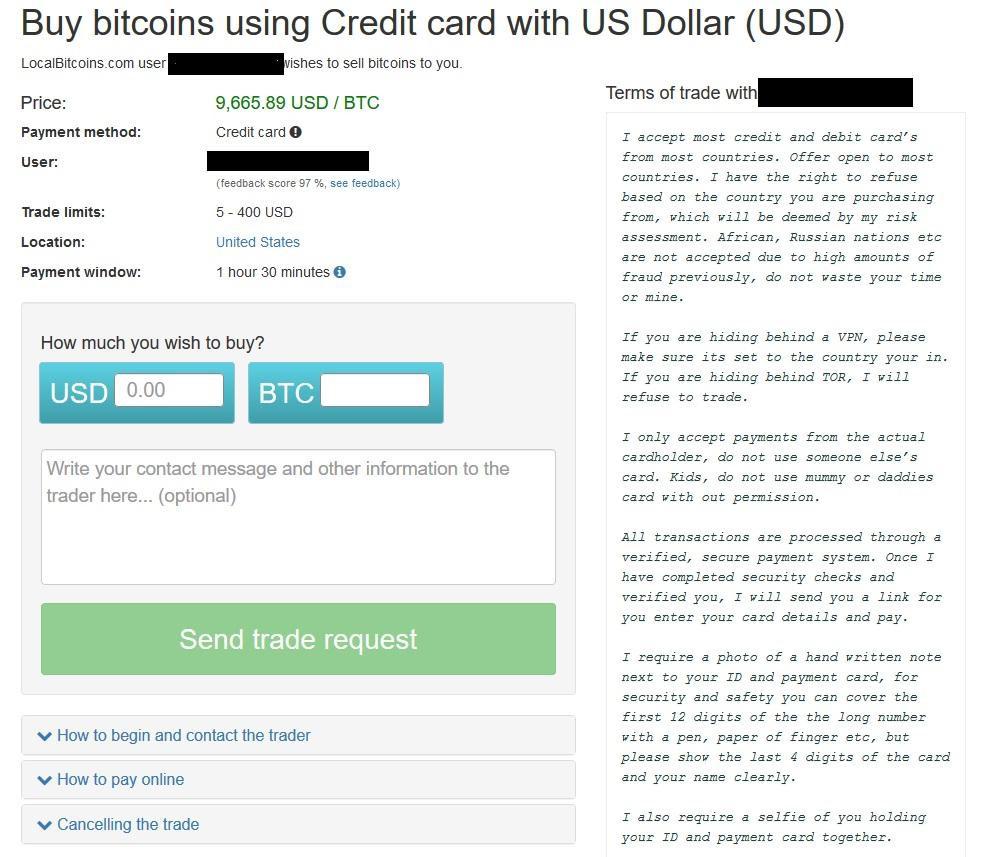
How to buy Bitcoin using my local currency safely? – Purchasing Bitcoin with your local currency can open doors to the world of digital assets, but it’s crucial to approach it with caution. This guide aims to provide a comprehensive understanding of the process, emphasizing security and best practices to ensure a safe and informed experience. We’ll delve into the fundamental principles, platform selection, payment methods, security measures, regulatory considerations, and risk mitigation strategies.
The information provided here is for educational purposes and should not be considered financial advice. Always conduct your own research and consult with a financial advisor before making any investment decisions.
Understanding the Fundamental Principles of Bitcoin Acquisition Using Local Currency is Crucial, How to buy Bitcoin using my local currency safely?
Understanding how Bitcoin transactions work is the foundation of safe acquisition. It’s like understanding the engine of a car before you start driving. Let’s break down the mechanics without getting lost in technical jargon.
Bitcoin transactions operate on a technology called the blockchain, a public and transparent ledger. When you initiate a Bitcoin transaction, it involves these key steps:
- Cryptographic Keys: Each participant in the Bitcoin network has a pair of cryptographic keys: a public key and a private key. Think of the public key as your bank account number and the private key as your password. The public key is used to generate a Bitcoin address, which is where you receive Bitcoin. The private key is used to authorize spending the Bitcoin associated with that address.
- Addresses: A Bitcoin address is a string of letters and numbers, like 1BvBMSEYstWetqTFn5Au4m4GFgBqJk. It’s derived from your public key and is what you share with others to receive Bitcoin.
- Transaction Initiation: When you want to send Bitcoin, you use your private key to digitally sign a transaction. This signature proves that you are the owner of the Bitcoin and authorizes the transfer.
- Blockchain Broadcast: The transaction is then broadcast to the Bitcoin network, where it’s verified by miners. Miners are like the network’s accountants; they bundle transactions into blocks and add them to the blockchain.
- Confirmation: Once a transaction is included in a block and confirmed by the network, it’s considered final. The more confirmations a transaction has, the more secure it is. This is because it becomes increasingly difficult to reverse the transaction.
Bitcoin transactions are pseudonymous. While the addresses are public, they aren’t directly linked to your personal identity unless you choose to reveal that information. This privacy aspect, combined with the decentralized nature of the blockchain, is a key feature.
Bitcoin differs significantly from other cryptocurrencies due to its underlying technology and purpose. Here’s a comparison:
- Decentralization: Bitcoin is truly decentralized; no single entity controls it. This means no central bank or government can manipulate the supply or censor transactions. Other cryptocurrencies may be more centralized, with a smaller group of individuals or organizations having significant control.
- Limited Supply: Bitcoin has a capped supply of 21 million coins, which makes it deflationary. Many other cryptocurrencies have a larger or unlimited supply, which can affect their value over time.
- Security: Bitcoin’s network has been operating for over a decade and has a proven track record of security. Other cryptocurrencies may have less-tested security protocols.
- Use Case: Bitcoin was designed as a peer-to-peer electronic cash system. Other cryptocurrencies may have different purposes, such as smart contracts (Ethereum) or privacy features (Monero).
Bitcoin’s decentralized nature is important for secure transactions because it eliminates the need for a trusted third party. The network itself validates transactions, reducing the risk of censorship, fraud, and manipulation. This peer-to-peer system allows for more direct control over your assets.
Market volatility is a defining characteristic of Bitcoin. The price can fluctuate significantly in short periods, influenced by factors like market sentiment, regulatory news, and global events. Understanding this volatility is crucial for making informed decisions. To mitigate risks:
- Dollar-Cost Averaging (DCA): Invest a fixed amount of money at regular intervals, regardless of the price. This strategy helps to average out the purchase price and reduce the impact of short-term volatility.
- Diversification: Don’t put all your eggs in one basket. Diversify your investments across different assets to spread risk.
- Risk Management: Only invest what you can afford to lose. Set stop-loss orders to limit potential losses.
- Long-Term Perspective: Consider Bitcoin as a long-term investment. Avoid making impulsive decisions based on short-term price fluctuations.
- Research: Stay informed about market trends and news. Understand the factors that can influence Bitcoin’s price.