How Bitcoin Compares to Traditional Financial Systems: How Does Bitcoin Compare To Traditional Financial Systems?

How does Bitcoin compare to traditional financial systems? – Bitcoin, the pioneering cryptocurrency, has sparked a revolution in the financial world. It operates on principles fundamentally different from those of traditional financial systems, leading to a complex interplay of advantages and disadvantages. This article will delve into a comparative analysis of Bitcoin and conventional financial systems, examining their contrasting designs, regulatory landscapes, accessibility, volatility, and transaction characteristics. The goal is to provide a clear understanding of the key differences and implications of each system.
Bitcoin’s Foundational Design vs. Traditional Banking
At the core of Bitcoin’s operation lies its decentralized nature, a stark contrast to the centralized control prevalent in traditional banking. This foundational difference impacts nearly every aspect of how transactions are processed, recorded, and secured. Let’s explore the intricacies of these contrasting structures.
Bitcoin’s blockchain, a public and distributed ledger, records every transaction in a chronological order. This ledger is maintained by a network of computers, or nodes, that collectively validate transactions. When a transaction occurs, it is broadcast to the network. Nodes then verify the transaction’s validity by checking if the sender has sufficient funds and if the transaction adheres to the network’s rules. This validation process is driven by consensus mechanisms, primarily Proof-of-Work, where miners compete to solve complex cryptographic puzzles to add new blocks of transactions to the chain. This decentralized validation eliminates the need for a central authority, such as a bank, to oversee transactions.
In contrast, traditional financial systems rely on a centralized structure. Banks act as intermediaries, controlling the flow of funds and maintaining the records of all transactions. When a transaction is initiated, it is processed through the bank’s internal systems, verified, and recorded in their proprietary databases. This centralized control allows banks to manage risk, comply with regulations, and provide customer services. However, it also introduces single points of failure, making the system vulnerable to censorship, manipulation, and downtime. Furthermore, the centralized nature of traditional finance often leads to higher transaction costs and slower processing times, especially for international transfers.
The differences in transaction validation and record-keeping between Bitcoin and traditional systems are fundamental. Bitcoin’s decentralized ledger provides transparency, immutability, and censorship resistance. The public nature of the blockchain allows anyone to audit transactions and verify the integrity of the system. The use of cryptographic hashing ensures that any attempt to alter a past transaction would invalidate subsequent blocks, making the blockchain highly secure. In contrast, traditional financial systems rely on closed, proprietary databases. While these systems are generally secure, they are also less transparent and more susceptible to manipulation. Banks control the records, and their internal processes are often opaque to the public. This can lead to trust issues and inefficiencies in dispute resolution.
Here’s a table that summarizes the impact of these differences on transaction processing:
| Feature | Bitcoin | Traditional Banking | Impact |
|---|---|---|---|
| Transaction Processing Speed | Variable, typically 10 minutes to 1 hour for confirmation | Varies: Instant for local transactions, days for international transfers | Bitcoin can be slower than local bank transfers but potentially faster than international wires. |
| Associated Costs | Transaction fees, which vary based on network congestion | Fees for various services: wire transfers, account maintenance, etc. | Bitcoin fees can be lower for international transactions, but higher during peak times. |
| Accessibility | Open to anyone with an internet connection | Requires a bank account, which may have eligibility requirements | Bitcoin offers greater accessibility to the unbanked and underbanked. |
| Overall Accessibility | Global, 24/7 | Limited by banking hours and geographical restrictions | Bitcoin operates globally without geographical limitations. |
Cryptography plays a pivotal role in securing Bitcoin transactions. Each transaction is secured using public-key cryptography. When a user wants to send Bitcoin, they use their private key to digitally sign the transaction. This signature acts as proof that the transaction originated from the legitimate owner of the funds. The public key, derived from the private key, is used to verify the signature. This ensures that only the rightful owner can spend the Bitcoin. Furthermore, Bitcoin transactions are grouped into blocks, which are then linked together using cryptographic hashes. Each block contains a hash of the previous block, creating a chain of blocks, hence the term “blockchain.” This chain structure makes it computationally infeasible to alter any past transaction without invalidating the entire chain, enhancing security. The Proof-of-Work consensus mechanism also adds a layer of security by requiring miners to expend significant computational power to add new blocks to the chain. This makes it extremely difficult for any single entity to control the network and manipulate transactions.
Conventional banks, on the other hand, employ a variety of security protocols to protect their customers’ funds and data. These include multi-factor authentication, encryption of sensitive information, and firewalls to prevent unauthorized access. Banks also implement fraud detection systems to monitor transactions for suspicious activity. They also rely on physical security measures, such as secure vaults and surveillance systems. While these security measures are effective, they are often centralized, making them vulnerable to attacks that target the bank’s infrastructure. In contrast, Bitcoin’s decentralized nature and cryptographic security offer a more robust defense against single points of failure and malicious attacks. Bitcoin’s security relies on the collective strength of the network, making it more resilient to censorship and manipulation.
Regulatory Landscapes
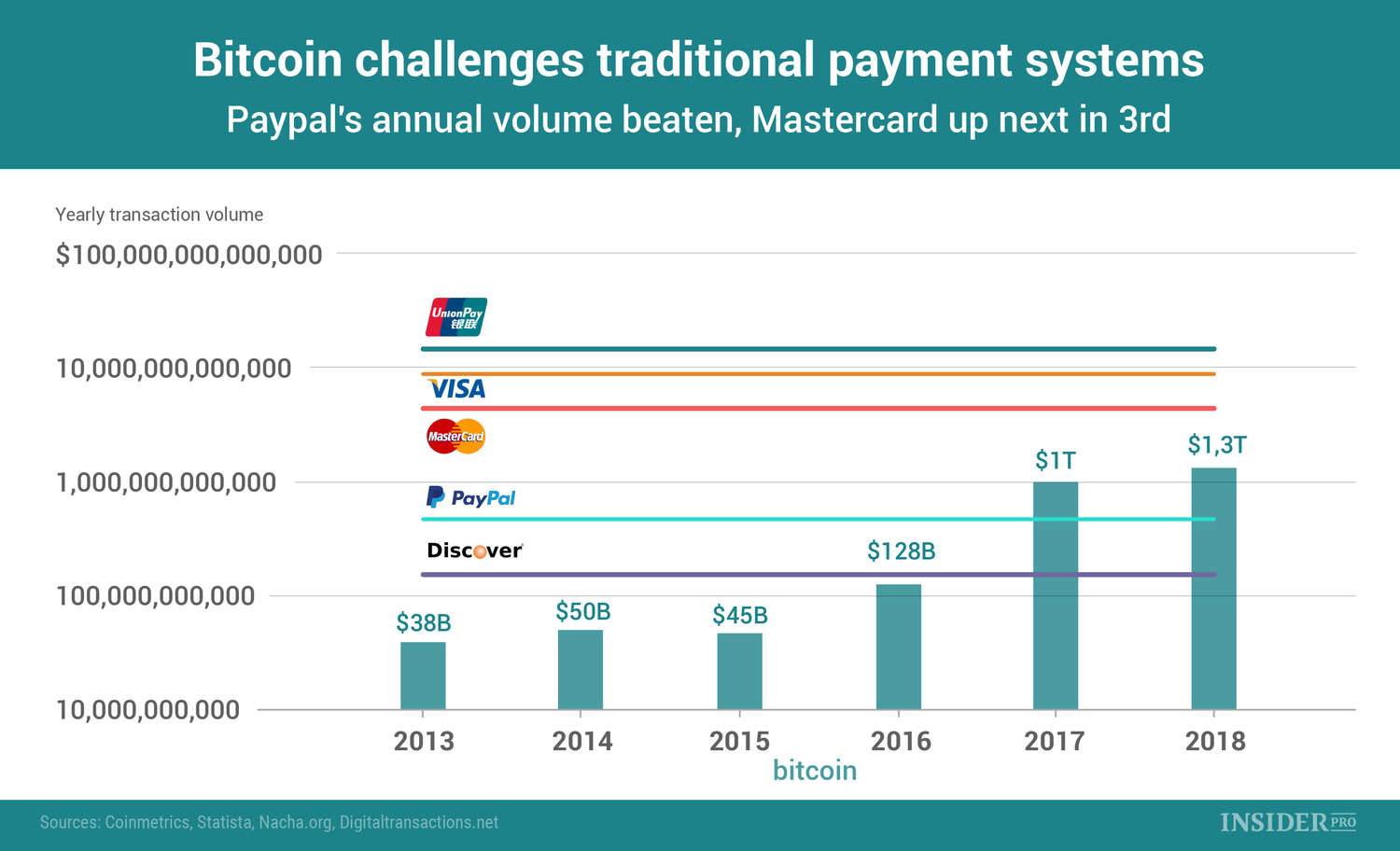
The regulatory environments surrounding Bitcoin and traditional financial systems diverge significantly. Traditional finance operates under well-established and comprehensive regulatory frameworks, while Bitcoin faces a patchwork of regulations that vary across jurisdictions. This section explores these differences and their impact.
Traditional financial institutions are subject to extensive regulatory oversight, designed to ensure the stability of the financial system, protect consumers, and prevent financial crime. Regulations are typically overseen by government agencies, such as the Federal Reserve in the United States or the European Central Bank in Europe. These agencies set capital requirements, conduct stress tests, and monitor the activities of banks and other financial institutions. Regulations also govern areas such as anti-money laundering (AML), know-your-customer (KYC) procedures, and consumer protection. These frameworks are designed to mitigate risks and promote confidence in the financial system. The level of regulatory oversight is generally consistent across different countries, though the specifics of the regulations may vary.
Bitcoin, however, faces a much more fragmented regulatory landscape. The regulatory approach to Bitcoin varies significantly across different jurisdictions. Some countries, such as El Salvador, have adopted Bitcoin as legal tender. Others have taken a more cautious approach, implementing regulations that govern cryptocurrency exchanges and other related businesses. Some countries have banned Bitcoin altogether. The lack of a unified regulatory framework creates uncertainty for businesses and investors. It also makes it difficult for Bitcoin to gain mainstream adoption. Regulatory inconsistencies can lead to arbitrage opportunities and regulatory shopping, where businesses move to jurisdictions with more favorable regulations. This can undermine the effectiveness of regulatory efforts and create risks for the financial system.
The disparity in regulatory oversight has several implications. Here are some of the key areas impacted:
- Investor Protection: Traditional finance offers robust investor protection through regulations such as deposit insurance and consumer protection laws. Bitcoin investors have limited protection, and the risk of fraud and theft is higher.
- Market Stability: The stringent regulations in traditional finance help to maintain market stability. Bitcoin’s unregulated nature can lead to price volatility and market manipulation.
- Financial Innovation: Over-regulation can stifle financial innovation. While Bitcoin is less regulated, the lack of clarity can also hinder innovation by increasing uncertainty and compliance costs.
- Financial Crime: Traditional finance has established AML and KYC procedures to combat financial crime. Bitcoin’s anonymity makes it more susceptible to illicit activities, although efforts are being made to improve compliance.
- Market Access: Regulations in traditional finance can create barriers to entry for new players. Bitcoin’s permissionless nature offers greater access, but regulatory uncertainty can limit its widespread adoption.
The methods used by traditional financial institutions and Bitcoin exchanges to comply with AML and KYC regulations differ significantly. Traditional banks have established processes for verifying the identity of their customers and monitoring their transactions for suspicious activity. These processes are designed to comply with government regulations and prevent money laundering and terrorist financing. They typically involve:
- Customer Identification Program (CIP): Banks are required to verify the identity of their customers by collecting information such as name, address, date of birth, and government-issued identification.
- Transaction Monitoring: Banks use software to monitor transactions for suspicious activity, such as large cash deposits or withdrawals, unusual patterns of transactions, and transactions involving high-risk countries.
- Reporting Suspicious Activity: Banks are required to report suspicious activity to government authorities, such as the Financial Crimes Enforcement Network (FinCEN) in the United States.
Bitcoin exchanges also implement AML and KYC procedures to comply with regulations and prevent the use of Bitcoin for illicit activities. However, the implementation of these procedures is often more complex due to the decentralized nature of Bitcoin. The processes typically include:
- Identity Verification: Exchanges require users to provide identification documents, such as a driver’s license or passport, to verify their identity.
- Transaction Monitoring: Exchanges monitor transactions for suspicious activity, such as large transactions or transactions involving known illicit addresses.
- Blockchain Analysis: Exchanges use blockchain analysis tools to track the flow of Bitcoin and identify suspicious transactions.
- Reporting: Exchanges are required to report suspicious activity to regulatory authorities.
The effectiveness of AML and KYC procedures in the Bitcoin space is a subject of ongoing debate. While exchanges have made significant efforts to comply with regulations, the decentralized nature of Bitcoin makes it more challenging to identify and track illicit activities. The use of privacy-enhancing technologies, such as mixers and tumblers, further complicates the process. Traditional financial institutions have the advantage of a centralized system, making it easier to monitor transactions and enforce compliance. However, Bitcoin’s transparency and the use of blockchain analysis tools offer a new way to track illicit activities. As regulations evolve, it is likely that Bitcoin exchanges will continue to improve their AML and KYC procedures.
Accessibility and Inclusivity, How does Bitcoin compare to traditional financial systems?
Bitcoin’s permissionless nature presents a significant advantage in terms of accessibility and financial inclusion, contrasting sharply with the requirements of traditional banking. Let’s explore how Bitcoin addresses the limitations of conventional financial systems.
Bitcoin’s permissionless nature means that anyone with an internet connection can participate in the financial system. There are no gatekeepers, no credit checks, and no geographical restrictions. This contrasts sharply with traditional banking, which imposes various requirements and limitations. To open a bank account, individuals typically need to provide identification, proof of address, and meet minimum balance requirements. Banks may also deny services to individuals with poor credit history or those who live in certain geographical areas. Furthermore, the traditional banking system often excludes the unbanked and underbanked populations, such as those in developing countries or those without access to traditional financial services. This can limit their ability to participate in the economy and access essential financial tools.
Bitcoin’s accessibility stems from its decentralized nature and the absence of intermediaries. Anyone can download a Bitcoin wallet and start transacting, regardless of their background or location. This is particularly beneficial for those in underserved communities and developing nations. Bitcoin can provide access to financial services for individuals who are excluded from the traditional banking system. For example, individuals can use Bitcoin to send and receive remittances, make online purchases, and store value. Bitcoin can also help reduce transaction costs and improve efficiency, especially for international payments. In addition, Bitcoin’s transparency and immutability can help to build trust and reduce corruption. Bitcoin can empower individuals and promote financial inclusion by providing access to financial services that are often unavailable or inaccessible through traditional channels.
Here are some scenarios illustrating the challenges and opportunities associated with Bitcoin adoption in regions with limited internet access and technological infrastructure:
- Scenario 1: Rural Communities with Limited Connectivity: In rural areas with limited internet access, Bitcoin adoption faces challenges. The high data usage associated with downloading and synchronizing the blockchain can be prohibitive. However, solutions such as using SMS-based wallets or lightweight clients that don’t require downloading the entire blockchain can help. Furthermore, the development of mesh networks or satellite internet can improve connectivity and facilitate Bitcoin adoption.
- Scenario 2: Developing Nations with Unstable Power Grids: In developing nations with unstable power grids, Bitcoin adoption can be challenging. Power outages can disrupt transactions and make it difficult to access wallets. However, mobile devices with long battery lives and offline wallets can mitigate these challenges. Furthermore, the use of renewable energy sources, such as solar power, can provide a reliable source of electricity for Bitcoin users.
- Scenario 3: Areas with Limited Technological Literacy: In areas with limited technological literacy, Bitcoin adoption can be hindered by the complexity of the technology. Users may struggle to understand how to use Bitcoin wallets, secure their private keys, and navigate the blockchain. However, educational initiatives, user-friendly wallet interfaces, and local support networks can help to overcome these challenges. Furthermore, the development of intuitive and accessible Bitcoin applications can make it easier for people to use the technology.
Volatility and Price Discovery
Bitcoin’s price volatility differs significantly from the relative stability of traditional assets. This section explores the factors that contribute to these differences and the mechanisms behind Bitcoin’s price discovery.
Bitcoin’s price is known for its volatility, with significant price swings occurring frequently. This contrasts with the relative stability of assets like government bonds or established currencies, which typically exhibit more gradual price movements. The volatility of Bitcoin stems from several factors. Bitcoin is still a relatively young asset, and its market is smaller than those of traditional financial assets. This means that large trades can have a disproportionate impact on the price. Furthermore, Bitcoin is subject to speculation and investor sentiment, which can drive prices up or down rapidly. The lack of regulatory oversight and the limited adoption of Bitcoin also contribute to its volatility. The price of government bonds and established currencies, on the other hand, is influenced by a broader range of factors, such as economic growth, inflation, and interest rates. These assets also benefit from the backing of central banks and governments, which provide a degree of stability. The established markets for these assets are also much larger and more liquid, which helps to absorb price shocks.
The price discovery process for Bitcoin is influenced by a variety of market forces:
- Supply and Demand Dynamics: The fundamental forces of supply and demand play a crucial role in determining Bitcoin’s price. The supply of Bitcoin is limited to 21 million coins, which creates scarcity. As demand for Bitcoin increases, its price tends to rise. Conversely, if demand decreases, the price tends to fall.
- Mining Costs: The cost of mining Bitcoin, including electricity, hardware, and labor, influences its price. If mining costs increase, miners may be less willing to sell their Bitcoin at lower prices, which can push the price up.
- Investor Sentiment: Investor sentiment, or the overall mood of investors, has a significant impact on Bitcoin’s price. Positive news, such as regulatory approvals or institutional adoption, can boost investor sentiment and drive prices higher. Negative news, such as security breaches or regulatory crackdowns, can lead to a decline in prices.
- Macroeconomic Factors: Macroeconomic factors, such as inflation, interest rates, and economic growth, can also influence Bitcoin’s price. Investors may turn to Bitcoin as a hedge against inflation or as a store of value in times of economic uncertainty.
- Adoption Rate: The rate of adoption of Bitcoin by individuals, businesses, and institutions affects its price. As more people use Bitcoin, its demand increases, leading to a rise in price.
Derivatives markets and institutional investors also play a significant role in influencing Bitcoin’s price. Derivatives markets, such as futures and options, allow investors to speculate on the future price of Bitcoin. These markets can amplify price movements and increase volatility. Institutional investors, such as hedge funds and investment firms, have also entered the Bitcoin market, bringing significant capital and influencing price discovery. Their involvement can increase market liquidity and provide greater price stability. However, it can also lead to increased volatility, as these investors may trade large volumes of Bitcoin and react quickly to market news. The involvement of institutional investors and the development of derivatives markets have transformed Bitcoin’s price dynamics. While these factors can increase price volatility, they also contribute to the maturation of the Bitcoin market and its integration into the broader financial system.
Transaction Fees and Settlement Times

Transaction fees and settlement times present distinct characteristics between Bitcoin and conventional banking, impacting the user experience and the overall efficiency of financial transactions. Let’s delve into these differences.
Transaction fees in Bitcoin differ significantly from those levied by traditional financial institutions. Bitcoin transaction fees are typically paid to miners to incentivize them to include the transaction in a block. The fee amount is not fixed and depends on several factors, including network congestion, transaction size, and the sender’s willingness to pay. During periods of high network activity, transaction fees can be quite substantial. This contrasts with traditional financial institutions, which typically charge fixed fees for various services. For example, international transfers often involve fees from both the sending and receiving banks, as well as currency conversion fees. Credit card payments typically involve merchant fees, which are a percentage of the transaction amount. The fees charged by traditional financial institutions are often transparent and predictable. However, they can be higher than Bitcoin transaction fees, especially for international transfers. Bitcoin transaction fees, on the other hand, can be lower for international transactions, but they are often less predictable and can fluctuate significantly depending on network conditions. The absence of intermediaries in Bitcoin transactions also eliminates the need for currency conversion fees, making it a more cost-effective option for cross-border payments. The cost savings of Bitcoin transactions are more pronounced for international transfers and large transactions. However, the variable nature of Bitcoin fees and the potential for high fees during peak times can be a deterrent for some users.
Bitcoin transaction confirmation times also differ from the settlement periods of traditional banking transactions. Bitcoin transactions are typically confirmed within minutes to an hour, depending on the network congestion and the transaction fee paid. The confirmation time is the time it takes for a transaction to be included in a block and added to the blockchain. This is generally faster than the settlement periods of traditional banking transactions, such as wire transfers and ACH payments. Wire transfers can take several business days to settle, especially for international transfers. ACH payments typically take one to three business days to settle. The settlement time is the time it takes for funds to be transferred from the sender’s account to the recipient’s account. The factors influencing Bitcoin transaction confirmation times include:
- Network Congestion: When the network is congested, there are more transactions waiting to be processed, which can increase confirmation times.
- Transaction Fee: Miners prioritize transactions with higher fees, so paying a higher fee can speed up confirmation times.
- Block Size: The size of a block is limited, so transactions with larger sizes can take longer to confirm.
- Mining Difficulty: The difficulty of mining Bitcoin adjusts automatically to maintain a consistent block creation time of approximately 10 minutes. This can affect confirmation times.
These differences in fee structures and settlement times have a significant impact on the user experience and the overall efficiency of financial transactions. Here’s a comparative overview:
- Positive Implications:
- Lower fees for international transactions.
- Faster settlement times for some transactions.
- Greater transparency in transaction fees.
- Reduced reliance on intermediaries.
- Negative Implications:
- Variable and potentially high transaction fees during peak times.
- Unpredictable confirmation times.
- The need for users to understand technical aspects of transaction fees.
- The potential for unconfirmed transactions.

