How Does Bitcoin Mining Process Actually Work in Detail?
How does Bitcoin mining process actually work in detail? – Bitcoin mining, at its core, is the process by which new bitcoins are created and transactions are verified and added to the blockchain. It’s a decentralized system that relies on a network of computers, or miners, to solve complex mathematical problems. This process not only secures the Bitcoin network but also incentivizes participants to contribute to its operation. Let’s delve into the intricate details of how this process unfolds.
This article will dissect the key components of Bitcoin mining, from transaction validation to the economic incentives that drive miners. We’ll explore the cryptographic puzzles, hardware and software involved, and the risks and challenges that shape the mining ecosystem. Understanding these elements is crucial for anyone looking to grasp the fundamentals of Bitcoin and its underlying technology.
How the Process of Validating Transactions Within a Bitcoin Block Begins and Concludes Its Journey
The journey of a transaction within a Bitcoin block is a carefully orchestrated process, starting with the accumulation of unconfirmed transactions and culminating in their permanent addition to the blockchain. This process ensures the integrity and security of the Bitcoin network. Let’s break down the key stages:
The process begins in the transaction pool, often referred to as the mempool. The mempool acts as a holding area for all unconfirmed transactions. When a user initiates a Bitcoin transaction, it’s broadcast to the Bitcoin network. Nodes, or computers running the Bitcoin software, receive these transactions and add them to their local mempool. The mempool is essentially a list of pending transactions waiting to be included in a block. The size of the mempool can fluctuate depending on network activity and the number of pending transactions. When the mempool is full, it can cause delays in transaction confirmations.
Miners play a crucial role in selecting transactions from the mempool and organizing them into a candidate block. Miners constantly monitor the mempool for transactions with the highest transaction fees, as these fees provide them with an incentive to prioritize certain transactions. Miners then gather a selection of these transactions, typically prioritizing those with higher fees, and package them together to create a candidate block. They also include a special transaction known as the coinbase transaction, which rewards the miner with newly minted bitcoins for successfully mining the block. The block header is then constructed, containing information about the transactions, the previous block, and a nonce, which is a number used in the mining process.
Once a miner has created a candidate block, the process of block propagation begins. The miner attempts to solve a cryptographic puzzle, which involves finding a “nonce” that, when combined with the block header, produces a hash value below a target value. Once a miner solves the puzzle, the block is considered valid and is propagated throughout the network. This propagation ensures that all nodes in the network receive and validate the newly mined block. The newly mined block is broadcast to the network, and other nodes verify the block’s validity. If the block is valid, the nodes add it to their copy of the blockchain, and the transactions within the block are considered confirmed. This ensures that the blockchain remains consistent across all nodes. If the block is invalid, it is rejected by the nodes, and the miner does not receive the block reward.
The block header is a crucial component of the Bitcoin blockchain. It contains a summary of the block’s data and is used to link the block to the previous block, ensuring the integrity of the blockchain. The block header includes the version of the Bitcoin protocol, the hash of the previous block header, a Merkle root (a hash of all transactions in the block), a timestamp, the difficulty target, and the nonce. The hash of the previous block header is what creates the chain, and the Merkle root ensures that the transactions are valid. Any change to the data in a block will result in a change to its hash, making it easy to detect tampering. The block header also contains the difficulty target, which determines the difficulty of the mining puzzle, and the nonce, which is the number that miners adjust to find a valid hash.
| Phase | Description | Action | Result |
|---|---|---|---|
| Transaction Broadcast | A user initiates a Bitcoin transaction, which is broadcast to the network. | Transaction is sent to the network. | Transaction is received by nodes and added to their mempool. |
| Mempool Aggregation | Nodes store unconfirmed transactions in their mempool. | Transactions are added to the mempool. | Mempool accumulates pending transactions. |
| Block Creation | Miners select transactions from the mempool and create a candidate block. | Miners include transactions and create a block header. | Candidate block is created. |
| Block Propagation & Validation | The newly mined block is broadcast to the network, and other nodes verify the block’s validity. | Nodes verify the block and add it to their copy of the blockchain. | Transactions are confirmed, and the blockchain is updated. |
What is the Intricate Cryptographic Puzzle Miners Must Solve to Earn the Right to Add a New Block to the Blockchain
Bitcoin mining relies on a complex cryptographic puzzle that miners must solve to earn the right to add a new block to the blockchain. This puzzle, based on the concept of “proof-of-work,” requires miners to expend computational power to find a specific hash value. This process secures the Bitcoin network by making it computationally expensive for malicious actors to manipulate the blockchain. Let’s examine the components of this cryptographic puzzle.
The foundation of the mining puzzle is “hashing,” a cryptographic function that transforms data of any size into a fixed-size output, called a hash. In Bitcoin, the SHA-256 algorithm is used for hashing. This algorithm takes an input and produces a unique fingerprint, or hash, that is virtually impossible to predict without knowing the input. Even a minor change to the input data will result in a drastically different hash. This property is crucial for the security of the blockchain, as any attempt to alter a block’s data would change its hash, making the tampering immediately apparent.
The difficulty adjustment mechanism is a core feature of Bitcoin that regulates the rate at which new blocks are created. The Bitcoin network is designed to generate a new block approximately every 10 minutes. The difficulty of the mining puzzle is automatically adjusted every 2,016 blocks (roughly every two weeks) based on the time it took to mine those blocks. If blocks are being mined too quickly, the difficulty increases. If blocks are being mined too slowly, the difficulty decreases. This mechanism ensures that the block creation rate remains consistent, regardless of the overall computing power of the network. This adaptive system helps to maintain the stability and predictability of the Bitcoin network.
The core concept behind Bitcoin mining is “proof-of-work.” Miners compete to solve a complex mathematical problem, and the first miner to solve the problem gets to add the next block to the blockchain and is rewarded with newly minted bitcoins and transaction fees. The proof-of-work involves finding a hash value for the block header that is below a certain target value. This process requires miners to repeatedly try different values for the “nonce” until they find one that results in a valid hash. The more computational power a miner has, the higher their chances of finding a valid hash.
The “nonce” is a crucial component of the Bitcoin mining process. It’s a number that miners adjust repeatedly to find a hash value that meets the network’s difficulty requirements. The nonce is included in the block header, along with other information about the block. Miners repeatedly hash the block header, changing the nonce each time, until they find a hash that meets the target difficulty. This iterative process is what consumes the majority of the computational power in Bitcoin mining. For example:
- A miner creates a block header with information about the transactions and the previous block.
- The miner starts with a random nonce value.
- The miner calculates the hash of the block header.
- If the hash meets the target difficulty, the miner has found a valid block.
- If the hash does not meet the target difficulty, the miner changes the nonce and tries again.
Solving the cryptographic puzzle is central to the security of the Bitcoin network. The difficulty of the puzzle makes it computationally expensive to add a new block to the blockchain, which deters malicious actors from attempting to manipulate the blockchain. The proof-of-work mechanism makes it costly for attackers to rewrite the blockchain, as they would need to control a significant portion of the network’s computing power. This is because any attempt to alter a block would require re-solving the puzzle for that block and all subsequent blocks, which is extremely difficult and expensive.
How Does the Process of Bitcoin Mining Involve the Hardware and Software Components Working in Harmony, How does Bitcoin mining process actually work in detail?
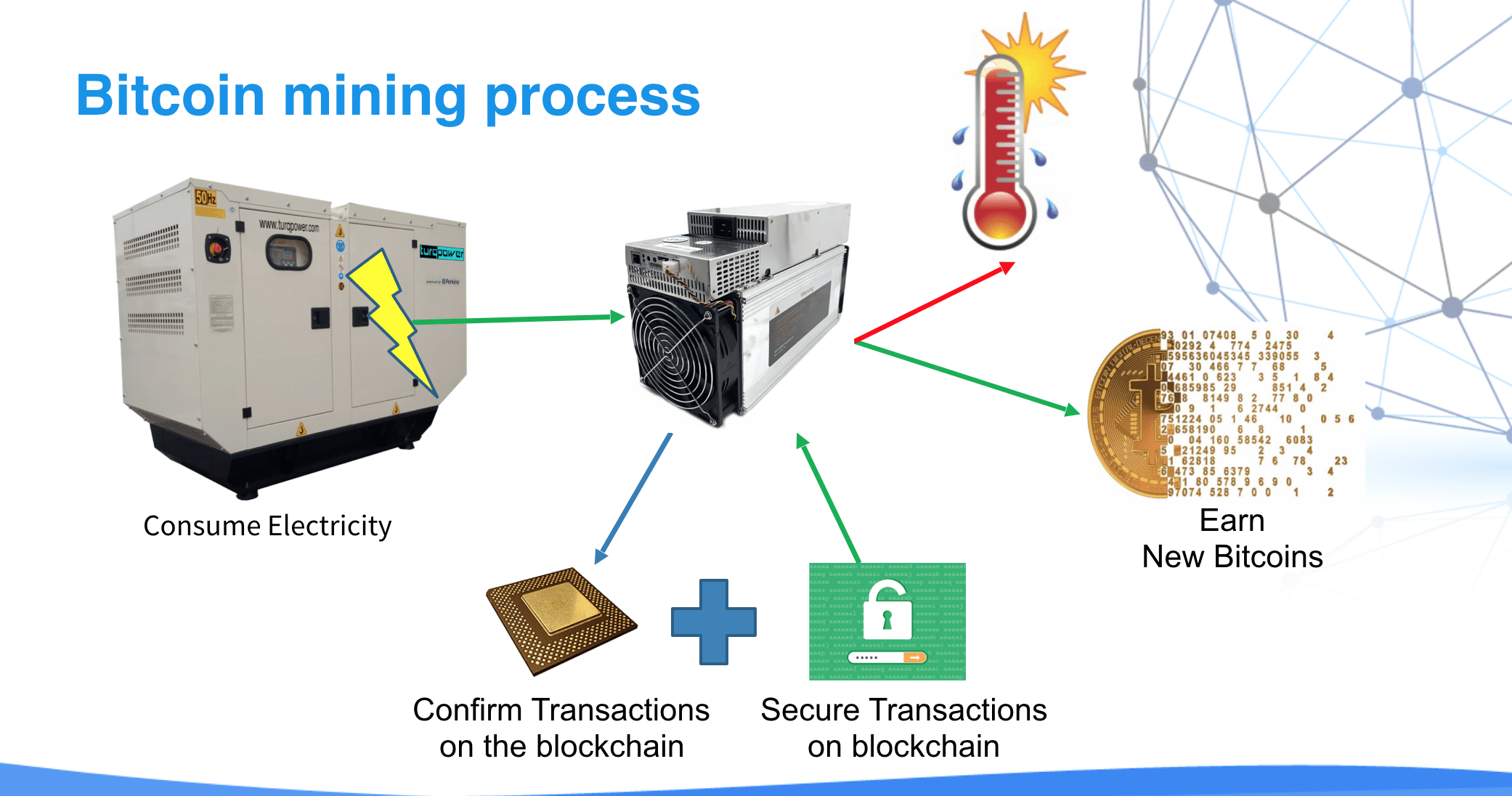
Bitcoin mining is a complex process that involves a combination of specialized hardware and software components working in harmony. The hardware provides the computational power needed to solve the mining puzzle, while the software manages the mining process and connects to the Bitcoin network. Let’s delve into the different components and their roles.
Different types of hardware can be used for mining, each with its advantages and disadvantages. Early Bitcoin mining was performed using CPUs (Central Processing Units), but this was quickly superseded by GPUs (Graphics Processing Units), which offered significantly better performance for the type of calculations required for mining. Today, the most efficient hardware for Bitcoin mining is ASICs (Application-Specific Integrated Circuits). ASICs are specifically designed for the purpose of Bitcoin mining and offer much higher hash rates and energy efficiency than CPUs or GPUs. CPUs are now largely obsolete for Bitcoin mining, while GPUs are sometimes used for mining other cryptocurrencies. ASICs are expensive but offer the best performance, while GPUs offer a balance of cost and performance.
Mining software plays a crucial role in managing the mining process and connecting to the Bitcoin network. It performs several key functions, including connecting to the Bitcoin network, receiving and validating transactions, constructing the block header, managing the mining process, and submitting the mined block to the network. The software also provides a user interface for monitoring the mining process and configuring the hardware. Popular mining software options include CGMiner, BFGMiner, and Awesome Miner. The software allows miners to interact with the network, select transactions, and attempt to solve the mining puzzle.
Mining pools are a common way for miners to combine their computational power and increase their chances of earning rewards. Solo mining can be a long and unpredictable process, as the probability of finding a block is proportional to the miner’s hash rate. Mining pools allow miners to pool their resources together and share the rewards proportionally based on their contribution to the pool’s overall hash rate. This makes the mining process more predictable and allows smaller miners to earn rewards more consistently. Mining pools typically charge a small fee for their services. This collaborative approach enhances the efficiency and stability of the mining ecosystem.
Power consumption is a significant factor in Bitcoin mining profitability. The amount of electricity consumed by a mining setup directly impacts the cost of mining. Different mining hardware has varying levels of energy efficiency. ASICs are generally the most energy-efficient, while CPUs are the least. The cost of electricity, therefore, directly impacts the profitability of mining. The higher the cost of electricity, the lower the profit margin for miners. Miners must carefully consider the energy efficiency of their hardware and the cost of electricity when determining the profitability of their operations. Below is a table that shows the different types of mining hardware and their energy usage:
| Hardware | Hash Rate | Power Consumption | Efficiency |
|---|---|---|---|
| CPU | Low | High | Low |
| GPU | Moderate | Moderate | Moderate |
| ASIC | High | Low | High |
| Example ASIC (Antminer S19) | 110 TH/s | 3250W | 29.5 J/TH |
Setting up a mining rig involves several steps, from acquiring the necessary hardware and software to configuring the system and connecting to the Bitcoin network. The process typically involves selecting the appropriate hardware, such as an ASIC miner, power supply, and cooling system. The mining software must be downloaded and installed, and the miner must be configured to connect to a mining pool. The miner then starts hashing, and the miner is rewarded with bitcoins if they successfully mine a block. Miners also need a reliable internet connection and a suitable environment to house the mining equipment, with adequate cooling to prevent overheating. Setting up a mining rig requires technical knowledge and attention to detail, but the potential rewards can be significant.
What Are the Economic Incentives That Motivate Miners to Participate in the Bitcoin Mining Process
:max_bytes(150000):strip_icc()/dotdash_Final_How_Does_Bitcoin_Mining_Work_Dec_2020-02-5e922571968a41a29c1b01f5a15c2496.jpg "How Does Bitcoin Mining Work? What Is Crypto Mining?")
The Bitcoin mining process is driven by economic incentives that motivate miners to participate in securing the network. These incentives are designed to align the interests of miners with the overall health and security of the Bitcoin ecosystem. Let’s examine the key economic drivers that fuel Bitcoin mining.
The block reward is a key incentive for miners. When a miner successfully mines a block, they are rewarded with newly created bitcoins. This is the primary source of income for miners and the mechanism by which new bitcoins are introduced into circulation. The block reward started at 50 bitcoins and halves approximately every four years (every 210,000 blocks). This halving event reduces the rate at which new bitcoins are created, making Bitcoin a deflationary asset. The block reward incentivizes miners to invest in hardware and electricity and to secure the network. The block reward also ensures that miners are compensated for their work, even if transaction fees are low.
Transaction fees also contribute to miners’ income. When users send Bitcoin transactions, they can optionally include a transaction fee. Miners prioritize transactions with higher fees, as these fees increase their profitability. Transaction fees incentivize miners to include transactions in the blocks they mine. In periods of high network activity, transaction fees can become a significant source of income for miners, as users compete to have their transactions processed quickly. Transaction fees also help to ensure that miners are compensated for their work, even when the block reward is reduced by the halving events. The higher the demand for block space, the higher the transaction fees tend to be.
The concept of “halving” is a fundamental aspect of Bitcoin’s economic model. As mentioned, the block reward is halved every 210,000 blocks (approximately every four years). This halving reduces the rate at which new bitcoins are created, making Bitcoin a deflationary asset. The halving events are pre-programmed into the Bitcoin protocol and are designed to control the supply of Bitcoin. The halving also affects the profitability of mining, as miners receive fewer newly minted bitcoins for each block they mine. The halving events are a major event for the Bitcoin economy, and they can significantly impact the price of Bitcoin and the overall mining ecosystem. Halving creates scarcity and drives up the value of Bitcoin over time.
The profitability of mining varies over time and depends on several factors, including the block reward, transaction fees, and hardware costs. The block reward decreases over time due to halving events. Transaction fees fluctuate depending on network activity and the demand for block space. Hardware costs include the cost of the mining equipment and the cost of electricity. Miners must carefully consider these factors when evaluating the profitability of their operations. Mining profitability is influenced by the price of Bitcoin, the difficulty of mining, and the efficiency of the mining hardware. For example:
- When the price of Bitcoin increases, mining becomes more profitable, as the value of the block reward and transaction fees increases.
- When the difficulty of mining increases, miners need more computational power to mine a block, which can reduce profitability.
- When the hardware is more energy-efficient, miners can reduce their electricity costs and increase their profitability.
Competition within the mining ecosystem is a natural consequence of the economic incentives. As the price of Bitcoin increases, more miners are incentivized to join the network, leading to increased competition. This competition drives the development of more efficient mining hardware and reduces the profitability of less efficient miners. The competition also influences the decentralization of the network, as miners with access to cheaper electricity and more efficient hardware have an advantage. The distribution of mining power can shift over time as miners enter and exit the network. The competitive dynamics in the mining ecosystem contribute to the security and resilience of the Bitcoin network.
How Do the Risks and Challenges Influence the Bitcoin Mining Ecosystem and Its Ongoing Development

The Bitcoin mining ecosystem faces several risks and challenges that can influence its development and stability. These challenges can impact the decentralization, security, and environmental sustainability of the network. Let’s examine some of these key concerns.
The centralization of mining power is a significant challenge for the Bitcoin network. If a single entity or a small group of entities controls a large percentage of the network’s computing power, they could potentially manipulate the blockchain and double-spend bitcoins. This is known as a 51% attack. Centralization can also lead to censorship, as powerful miners could potentially censor transactions that they do not want to be included in blocks. The concentration of mining power in the hands of a few large mining pools or ASICs manufacturers poses a risk to the decentralization of Bitcoin. Efforts to mitigate this risk include promoting the use of diverse mining hardware and incentivizing solo mining.
The energy consumption of Bitcoin mining has raised environmental concerns. Bitcoin mining requires a significant amount of electricity, which can lead to increased carbon emissions, depending on the energy sources used. The energy consumption of Bitcoin mining is directly proportional to the price of Bitcoin and the difficulty of mining. As the price of Bitcoin increases and the network difficulty increases, the energy consumption also increases. Potential solutions to this problem include using renewable energy sources, developing more energy-efficient mining hardware, and exploring alternative consensus mechanisms. The environmental impact of Bitcoin mining is a growing concern that needs to be addressed to ensure the long-term sustainability of the network.
51% attacks pose a serious security risk to the Bitcoin network. If an attacker controls more than 50% of the network’s computing power, they could potentially double-spend bitcoins, reverse transactions, and censor transactions. A 51% attack would undermine the trust in Bitcoin and could lead to a loss of value. The cost of conducting a 51% attack is very high, as it requires significant investment in hardware and electricity. The difficulty of conducting a 51% attack is what protects the Bitcoin network from malicious actors. While such an attack is unlikely, it remains a theoretical risk that needs to be addressed. The more decentralized the mining power is, the more resistant the network is to such attacks.
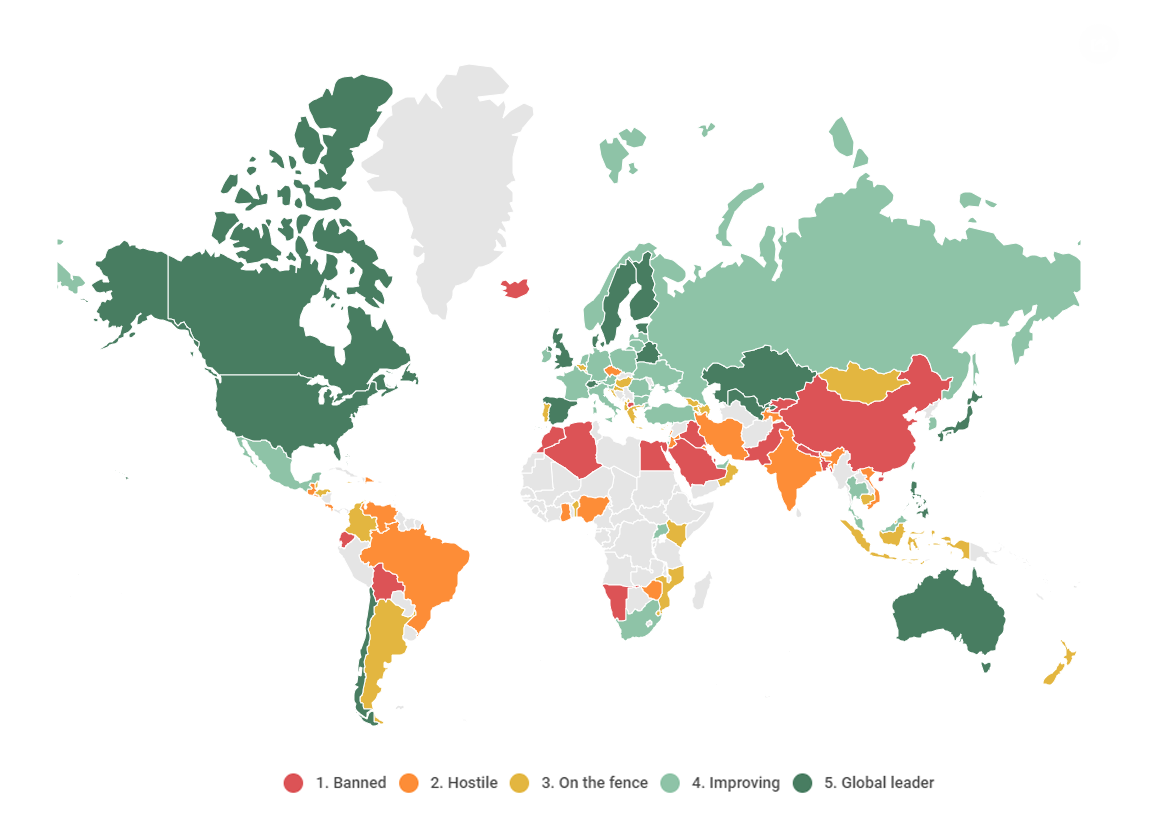
The future of Bitcoin mining is likely to be shaped by technological advancements, changes in the economic landscape, and regulatory developments. We can expect to see further advancements in mining hardware, with ASICs becoming more efficient and powerful. The economic landscape will continue to evolve, with changes in the block reward, transaction fees, and the price of Bitcoin. Regulatory developments could also impact the mining ecosystem, with governments potentially imposing regulations on mining operations. The future of Bitcoin mining is dynamic and uncertain, but it will continue to be a key component of the Bitcoin network. Mining is an ever-evolving field with new innovations being developed constantly. The future will be shaped by the ability of the network to adapt to the changing environment.
Mitigating the risks associated with Bitcoin mining requires a multi-faceted approach, involving technical solutions, economic incentives, and regulatory frameworks. The table below illustrates the risks and potential mitigation strategies:
| Risk | Mitigation | Explanation | Example |
|---|---|---|---|
| Centralization of Mining Power | Promote Decentralization | Encourage diverse mining hardware and incentivise solo mining. | Develop more efficient mining hardware. |
| Environmental Impact | Use Renewable Energy | Encourage the use of renewable energy sources. | Solar, wind, or hydroelectric power for mining operations. |
| 51% Attacks | Increase Network Hashrate | A larger network hash rate makes attacks more difficult and expensive. | More miners join the network. |
| Regulatory Uncertainty | Engage with Regulators | Work with regulators to create clear and supportive regulatory frameworks. | Participate in industry associations and advocate for favorable policies. |