From Huskie Turf to Emerald Green: How Hammock’s Coaching Journey Transformed: Sources: Northern Illinois’ Hammock To Seahawks As RB Coach
From the frosty fields of Northern Illinois to the bright lights of the NFL, the journey of Thomas Hammock is a testament to the power of adaptation, dedication, and a deep understanding of the game. His transition from coaching the Huskies to leading the running backs for the Seattle Seahawks offers a fascinating case study in how coaching philosophies can translate across different levels of competition. This article delves into the specifics of Hammock’s journey, exploring the strategies, challenges, and experiences that shaped him into the coach he is today.
How Did Hammock’s Coaching at Northern Illinois Prepare Him for the NFL?
Hammock’s tenure at Northern Illinois University (NIU) was a crucible that forged his coaching acumen. His experiences at NIU provided a strong foundation for his success in the NFL, equipping him with the skills necessary to thrive in the demanding environment of professional football.
Hammock’s coaching strategies at NIU were built on a foundation of fundamental principles. He emphasized a power-running game, prioritizing physical toughness and a commitment to the run. This approach was particularly effective given the recruiting limitations NIU faced compared to larger programs. He also implemented a pro-style offense, which included a mix of inside and outside zone runs, gap schemes, and play-action passing. This allowed him to develop versatile running backs who could excel in various situations. Hammock focused on developing players’ skills, teaching them to read defenses, understand blocking schemes, and make smart decisions. This skill development was crucial for maximizing the potential of the talent available to him. He was also adept at creating game plans that exploited opponents’ weaknesses. He would analyze film, identify vulnerabilities, and design plays that put his team in a position to succeed. For example, against teams with weak run defenses, he would call more run plays.
Hammock faced significant challenges at NIU, including limited recruiting resources and the need to compete with larger, more established programs. He overcame these obstacles by focusing on player development and building a strong team culture. One example of his ability to adapt was his use of a “next-man-up” mentality when key players were injured. He would quickly integrate backups into the game plan and ensure they were prepared to contribute. This skill proved invaluable in Seattle, where injuries are a constant reality. In the Seahawks, this ability to adapt would have been applied in situations where injuries struck. He would quickly adjust the game plan to suit the remaining players, and provide guidance to the running backs.
The offensive schemes Hammock implemented at NIU provided a solid base for his transition to the NFL.
* NIU Offensive Schemes:
* Pro-Style Offense: Primarily a run-first approach with a focus on power running.
* Zone Blocking: Emphasized the inside and outside zone running schemes.
* Gap Schemes: Used schemes like the power, counter, and trap to create running lanes.
* Play-Action Passing: Utilized play-action to keep defenses honest.
* Seahawks’ Offensive Approach:
* Diverse Run Game: A mix of zone and gap schemes, often incorporating more variety.
* Emphasis on Passing: While the run game is important, the Seahawks often incorporate a pass-first approach.
* Adaptability: The Seahawks’ offense is often tailored to the strengths of the personnel, with a focus on player versatility.
Seahawks’ Priorities in Hiring Hammock, Sources: Northern Illinois’ Hammock to Seahawks as RB coach
/cdn.vox-cdn.com/uploads/chorus_image/image/62867315/usa_today_11868511.0.jpg "Sources Northern Illinois Hammock to Seahawks as RB coach From Huskies to NFL Success")
The Seattle Seahawks’ decision to bring Thomas Hammock on board was a strategic move, reflecting their desire to enhance their running back corps. Their evaluation of Hammock centered on his ability to develop players and his understanding of the nuances of the position. This section explores the specific aspects of Hammock’s coaching that the Seahawks prioritized during the hiring process.
The Seahawks likely assessed Hammock’s ability to develop running backs by looking at his track record at NIU. He coached several running backs who experienced significant improvement under his guidance. One notable example is Garrett Wafford, who saw his rushing yards and touchdowns increase substantially during his time with Hammock. Another example is Jordan Lynch, a dual-threat quarterback who Hammock utilized in the running game, helping him become one of the most prolific rushers in NIU history. Hammock’s focus on skill development, combined with his ability to adapt his coaching style to suit different player skillsets, made him a strong candidate. He would also have emphasized the importance of ball security, pass protection, and route running, ensuring that his running backs were well-rounded players.
A hypothetical interview scenario might have unfolded as follows:
Interviewer: “Coach Hammock, what is your philosophy on player development?”
Hammock: “I believe in building a strong foundation. It starts with fundamentals, teaching them how to run, block, and catch. Then, we focus on the mental aspect of the game, teaching them to read defenses, understand blocking schemes, and make smart decisions. We also emphasize accountability and holding players to high standards.”
Interviewer: “How do you handle injuries and manage player workloads?”
Hammock: “Injuries are a part of the game. We have to be prepared for them. We have a plan in place for each player, considering their workload, and we closely monitor their physical condition. We also work with the medical staff to ensure that players are receiving the best possible care.”
The key qualities the Seahawks likely sought in a running backs coach, along with evidence of Hammock’s proficiency based on his Northern Illinois experience, can be illustrated using a table:
| Quality | Evidence from NIU Experience |
| :—————————- | :————————————————————————————————————————————————————————————— |
| Player Development | Coached running backs to significant improvement in rushing yards, touchdowns, and overall performance. |
| Technical Expertise | Demonstrated a strong understanding of running back fundamentals, including running, blocking, and pass protection. |
| Scheme Knowledge | Successfully implemented a pro-style offense, incorporating both zone and gap running schemes. |
| Adaptability | Showed the ability to adapt coaching strategies to suit different player skillsets and overcome recruiting limitations. |
| Leadership and Communication | Demonstrated the ability to build strong relationships with players and create a positive team environment, fostering a culture of accountability and hard work. |
Hammock’s Playing Career and Coaching Style
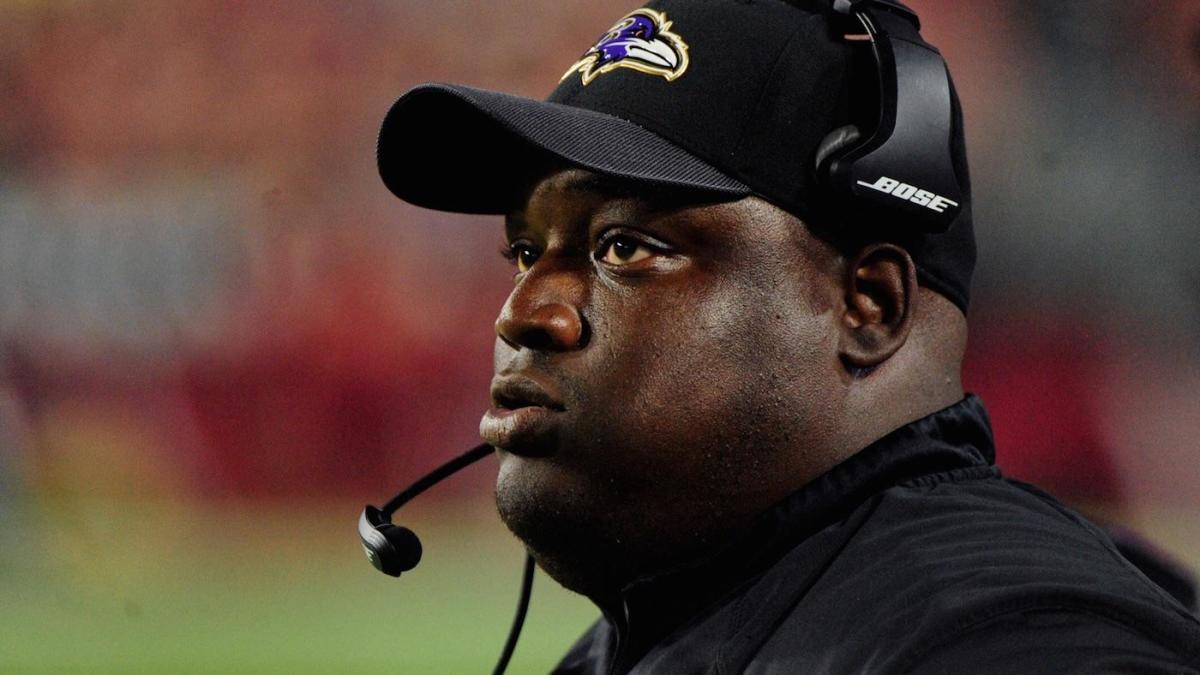
Thomas Hammock’s journey from player to coach is deeply intertwined with his experiences at Northern Illinois. His time as a running back for the Huskies significantly shaped his coaching methods, influencing his approach to mentoring players and his understanding of their perspectives. This section explores the impact of his playing career on his coaching style.
Hammock’s own playing career provided him with invaluable insights into the challenges and demands faced by running backs. He understands the physical toll of the position, the mental toughness required, and the importance of teamwork. This personal experience allows him to connect with players on a deeper level. He can empathize with their struggles, offer practical advice, and provide encouragement. He also understands the importance of film study, and the need for running backs to be versatile. He was a productive runner himself, and he understands the techniques and skills necessary to succeed at the position.
Hammock’s playing style was characterized by a combination of power, speed, and agility. He was a tough, physical runner who could also make defenders miss in space. The types of running backs he has coached have varied, reflecting the adaptability required in the NFL. He has worked with power backs, speed backs, and receiving backs. This adaptability is essential in the NFL, where teams need running backs who can contribute in multiple ways. He understands that the best running backs are those who can run between the tackles, catch passes, and block effectively. He has demonstrated the ability to adapt his coaching style to suit the strengths and weaknesses of the players he coaches.
Hammock’s leadership qualities, evident during his playing days, have seamlessly translated into his coaching approach.
* Leadership Qualities as a Player:
* Work Ethic: Demonstrated a strong commitment to hard work and dedication.
* Teamwork: Prioritized the success of the team over individual accolades.
* Resilience: Overcame adversity and persevered through challenges.
* Communication: Effectively communicated with teammates and coaches.
* Coaching Approach:
* Emphasis on Fundamentals: Focuses on the basics of the position.
* Player Development: Prioritizes the improvement of each player’s skills.
* Building Relationships: Creates a positive team environment.
* Accountability: Holds players to high standards.
Impact of Hammock’s Transition on Northern Illinois
:quality(70)/cloudfront-us-east-1.images.arcpublishing.com/shawmedia/OMDSIHJGZRCX7B7LLQEFRXF7RM.jpg "Northern Illinois is expected to name Thomas Hammock as its new ...")
Thomas Hammock’s departure from Northern Illinois University to join the Seattle Seahawks had a significant impact on the university’s football program. His success in the NFL not only brought positive attention to NIU but also served as a source of inspiration for players and coaches. This section explores the ripple effects of Hammock’s transition.
The departure of Hammock created a void in the coaching staff and required adjustments within the program. His role as a coach needed to be filled, and the team had to adapt to a new offensive philosophy. The team also had to deal with the loss of a key recruiter, which may have impacted the program’s ability to attract top talent. Despite these challenges, the university has benefited from Hammock’s association. His success in the NFL has raised the profile of NIU football and provided a source of pride for the university community.
Hammock’s success in the NFL has served as an inspiration for players and coaches at Northern Illinois. It has shown them that it is possible to achieve their dreams, regardless of where they start. It has also motivated them to work harder and strive for excellence. The university has also benefited from the association with Hammock. His success has brought positive attention to the program and has helped to attract recruits. It has also helped to create a positive image for the university.
A hypothetical statement from the Northern Illinois athletic director and a current player highlights their perspectives on Hammock’s career progression:
“Coach Hammock’s journey is a testament to his hard work and dedication. We are incredibly proud of his success in the NFL. His achievements serve as a source of inspiration for our players and coaches, demonstrating that with perseverance, anything is possible. He is a great example of what can be achieved from our program.” – *Athletic Director, Northern Illinois University*
“Coach Hammock taught us the importance of hard work, discipline, and believing in ourselves. Seeing him succeed at the highest level motivates us to strive for excellence. He is a role model for all of us, showing us that we can achieve our dreams if we are willing to put in the work.” – *Current Player, Northern Illinois University*
Managing Resources and Talent: A Shift in Landscape
The transition from Northern Illinois University to the Seattle Seahawks presented Thomas Hammock with a dramatically different landscape in terms of resources and player talent. Adapting to these significant differences was a key factor in his success at the professional level. This section examines the challenges Hammock faced in adapting to the professional level.
The resources available to Hammock at the Seahawks were vastly superior to those he had at NIU. The Seahawks have state-of-the-art training facilities, a larger scouting network, and access to a significantly higher salary budget. The support staff, including strength and conditioning coaches, athletic trainers, and nutritionists, is also much more extensive at the professional level. This allowed him to provide the players with better resources.
Hammock’s ability to adapt his coaching strategies to suit the Seahawks’ talent pool was a key factor in his success. At NIU, he had to focus on developing players with limited resources. In Seattle, he had access to a roster of highly skilled athletes. He had to adjust his coaching approach to maximize the potential of these players. He focused on refining their skills, teaching them advanced techniques, and developing their understanding of the game. He also had to adapt his game plans to take advantage of the strengths of the Seahawks’ offensive players.
A comparison table contrasting the facilities, scouting networks, player salaries, and support staff available to Hammock at Northern Illinois and the Seahawks illustrates the differences:
| Feature | Northern Illinois University | Seattle Seahawks |
| :—————- | :—————————————————- | :———————————————— |
| Facilities | Limited resources, older facilities. | State-of-the-art training facilities. |
| Scouting Networks | Smaller scouting network, limited resources. | Extensive scouting network, global reach. |
| Player Salaries | Limited scholarship budgets, lower compensation. | High player salaries, significant financial resources. |
| Support Staff | Smaller support staff, limited resources. | Large support staff, specialized expertise. |

/cdn.vox-cdn.com/uploads/chorus_image/image/62867315/usa_today_11868511.0.jpg&description=Sources%20Northern%20Illinois%20Hammock%20to%20Seahawks%20as%20RB%20coach%20From%20Huskies%20to%20NFL%20Success)